myMEGusta

Named for things that please me (“me gusta” in Spanish) and rhymes with balabusta (Yiddish for “good homemaker”).

In Spring,Thoughts Turn to Sunny Bevvies

And, what’s more sparkly and refreshing than a Mojito?
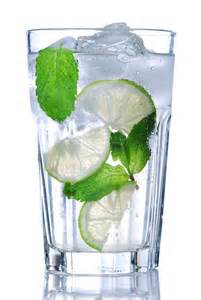
Mojito Time!

Mojito Time!

Yes, myMEGusta is totally jumping the gun here, but the Connecticut thaw is making her think of seasonal pleasures ahead.

For the uninitiated, a Mojito is simple, IF you have the right ingredients: white rum, sugar (or simple syrup), lime juice, seltzer water and fresh mint, over ice. There are only two tricks: finding the good mint, and crushing the leaves just enough to release the aromatic oils, but not enough to macerate it and make a mess. It’s a tall drink, and the sipper can vary the strength by adding more, or less, water.

Here’s a link to a recipe: http://allrecipes.com/Recipe/The-Real-Mojito.  If you’re curious about variations, even on the classic formula, you can check any major rum company website, and you’ll find some, of course with their brands. Mojitos are also made with other fruit juices and purees, in addition to (or substituting for) the lime juice. They are also available pre-mixed, but myMEGusta has not gone there, and probably won’t unless a reader give them a really high endorsement.

Invented in Cuba, the Mojito was a favorite drink of Ernest Hemingway, and his number one place to enjoy one was La Bodeguita del Medio in Havana, reputedly a big tourist destination now as a result of this. World traveler readers, care to comment on that?

Mojitos at the Market Bar in Madrid

Mojitos at the Mercado de San Miguel in Madrid

But it’s not just a libation for the Americas.

According to an October 2014 “Mixed Drinks Report” (source: CGA Strategy), the Mojito has become Britain’s Number One mixed drink. (We will refrain from making a “limey” joke here.)

Mojito Stand at the Mercado de San Miguel in Madrid

Mojito Stand at the Mercado de San Miguel in Madrid

And, when you visit the Mercado de San Miguel in Spain, you find Mojitos among other fruity refreshers prominently featured at the main bar, and a rainbow array on the other end of the building on a stand devoted entirely to Mojitos made with various fruits and spirits. Unfortunately, myMEGusta’s market visit was too early in the day to allow for sampling.

Fresh Mint

Fresh Mint

Here’s a hint on the mint as you prepare for a summer’s worth of delicious Mojitos:  Freshly harvested mint is often one of the first herbs to appear at farmers markets in the spring.  Purchase a bunch, enjoy your first Mojito of the season with a few sprigs, and put the rest in a glass of water to further develop the roots (or just buy a little plant). Once they look lively, growing a little bit, plant the mint in a shady place, and enjoy it all season. If you are lucky, it may even spread, and be a handy resource for years to come, both for delicious cocktail hours and for fresh mint tea anytime.

Nuts for Macadamias

Macadamia Nuts

Macadamia Nuts

One of the greatest joys of travel is indulging in favorite foods simply because you are at the source.

Macadamia Nuts at Volcano National Park

Macadamia Garnish on Ahi Poke at Volcano National Park

On a recent visit to Hawaii, myMEGusta found these little treasures in surprising places like salads, beyond the usual coatings for fish or chicken.

She even went to the touristy Mauna Loa Macadamia Nut Factory on the Big Island, complete with unlimited free samples in a jillion flavors.  Lunch that day was a macadamia ice cream cone.

Macadamia Ice Cream

Macadamia Ice Cream

A particularly amusing part of the self guided tour through this Hershey subsidiary was a view of the chocolate covered macadamia production line, reminiscent of I Love Lucy’s adventures in a candy factory.

Lucy at the Candy Factory?

Lucy at the Candy Factory?

Macadamia nuts are not native to Hawaii, the first tree having been imported from Australia in 1881. That country also has a thriving macadamia business, but most of theirs go to China and elsewhere in the Far East, although if there are crop shortfalls in Hawaii, Australian nuts come to the United States, too. California, South Africa, New Zealand and other countries where the weather is accommodating also produce the nuts.

Have you ever wondered why they are almost always shelled, normally not sold fully “clothed” in their native shells? It’s because these are the hardest nuts to crack, and if you get too aggressive in opening them, the meat inside gets damaged. The producers of macadamia nuts have special machinery which is strong enough to break the shells, but calibrated to do so without destroying what’s inside.

In the Shell

In the Shell

One unusual customer for the whole unbroken nut is the macaw, and owners of such birds are the primary market for one California macadamia coop.  The tough shell, a problem for most of us, is useful to the birds in keeping their beaks strong.

Speaking of birds, the worst natural enemy of the Australia macadamia nut industry is the cockatoo, not a factor in Hawaii.

Macadamia nuts are the highest in calories among popular nuts, at over 200 calories per ounce, and 93% of those calories come from mono-saturated (“good”) fat.  By comparison, pistachios are 161 calories per ounce, 72% of which comes from fat. We like to think of all nuts as a relatively healthy treat, okay to enjoy in moderation. But, this does not include noshing on anything covered in chocolate!

Musselmania

Happy Meal at the Mussel Farm

Happy Meal at the Mussel Farm

Having recently traveled to New Zealand, myMEGusta is often asked: What’s the best recipe for greenshell mussels?

It’s easy: Get on a plane and go there, because New Zealand is the only place in the world where you are likely to get them fresh.

Anywhere else, they’ve probably been processed and frozen, because the government is highly protective of the industry and it is illegal to export them live. The packaging sometimes even includes the shell, just to make them appear freshly prepared when they show up in the dining room.

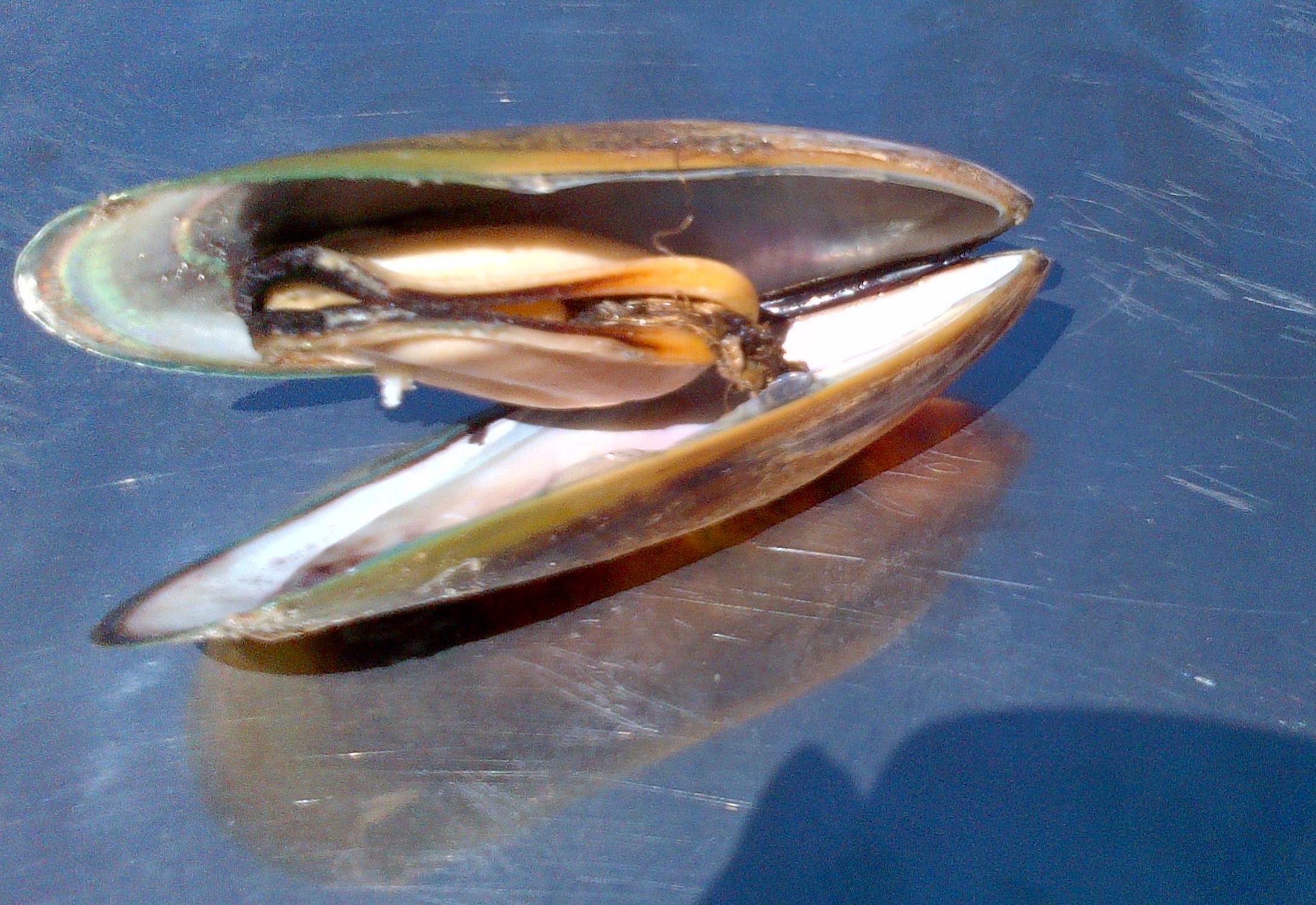
Steamed Greenshell Mussel at the Source

Steamed Greenshell Mussel at the Source

Of course, that is not to say that enterprising entrepreneurs elsewhere have not smuggled them out and are happily farming away. So it’s not impossible to find them live, just not likely.

Sitting on a boat in Marlborough Sound, surrounded by a mussel farm, and slurping them hot from the steamer, accompanied by a local Sauvignon Blanc, is a lunch right out of heaven.  The bivalves didn’t even need sauce or garnish of any kind, and the rule was to just toss the shell over the side, exactly where it came from in the first place.

“Greenshell” is a relatively new name for an old shellfish. These delicacies used to be called green lipped mussels, but the Kiwi (New Zealander) marketing people decided that name needed better appetite appeal.

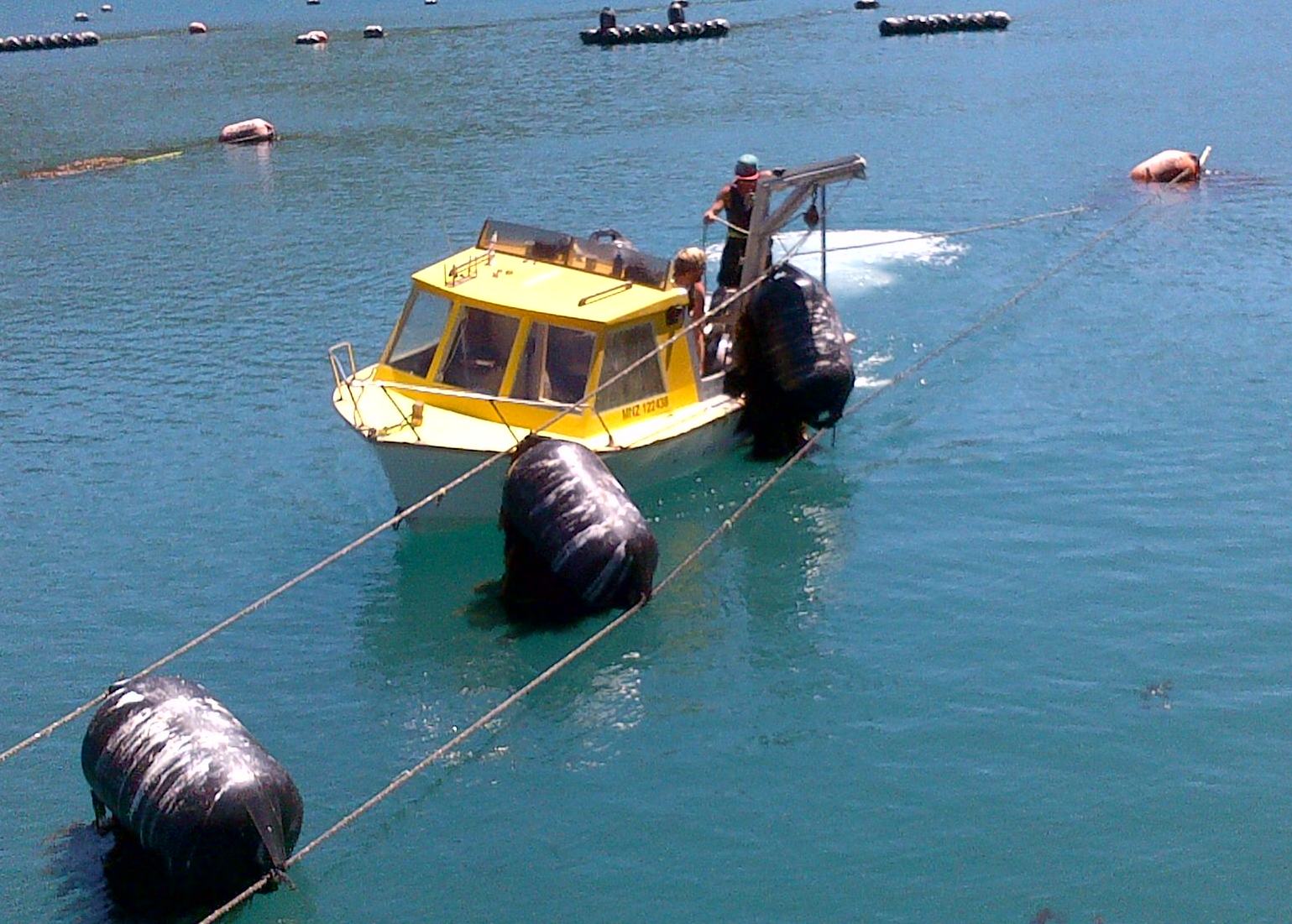
Seeding Mussels

Seeding Mussels

Seeding Mussels

Seeding Mussels

Harvesting Mussels

Harvesting Mussels

As delicious as the greenshell mussels are, they are matched in flavor, if not size, by the farmed black mussels readily available in good fish markets in the United States. In the old days, before farming, mussels were a lot of work to clean, but the aquaculture techniques used now (in New Zealand and here) eliminate all that.

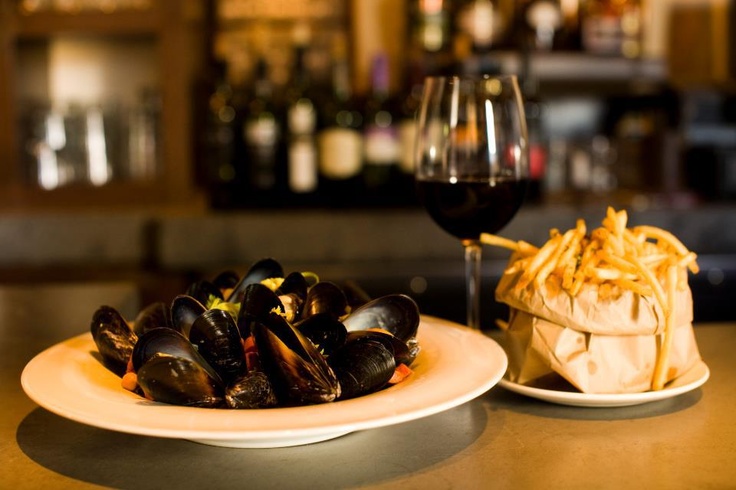
Europeans, particularly in Belgium and France, eat many, many more mussels than Americans do, often paired with French fries, the classic “Moules Frites”.  It’s our loss, especially since they are so easy to prepare, not needing much more than steaming in a flavorful broth (white wine and herbs will do it, or find a recipe for something more elaborate). And that broth, infused with the juices from the mussels as they pop open, is delicious, too, perfect for sopping up with a hunk of good French bread.

Moules Frites

Moules Frites

Incidentally, the “proper”, at least French, way to eat them is to use a fork to pull out the first specimen and eat it, then use that shell as pincers to pluck out the rest.

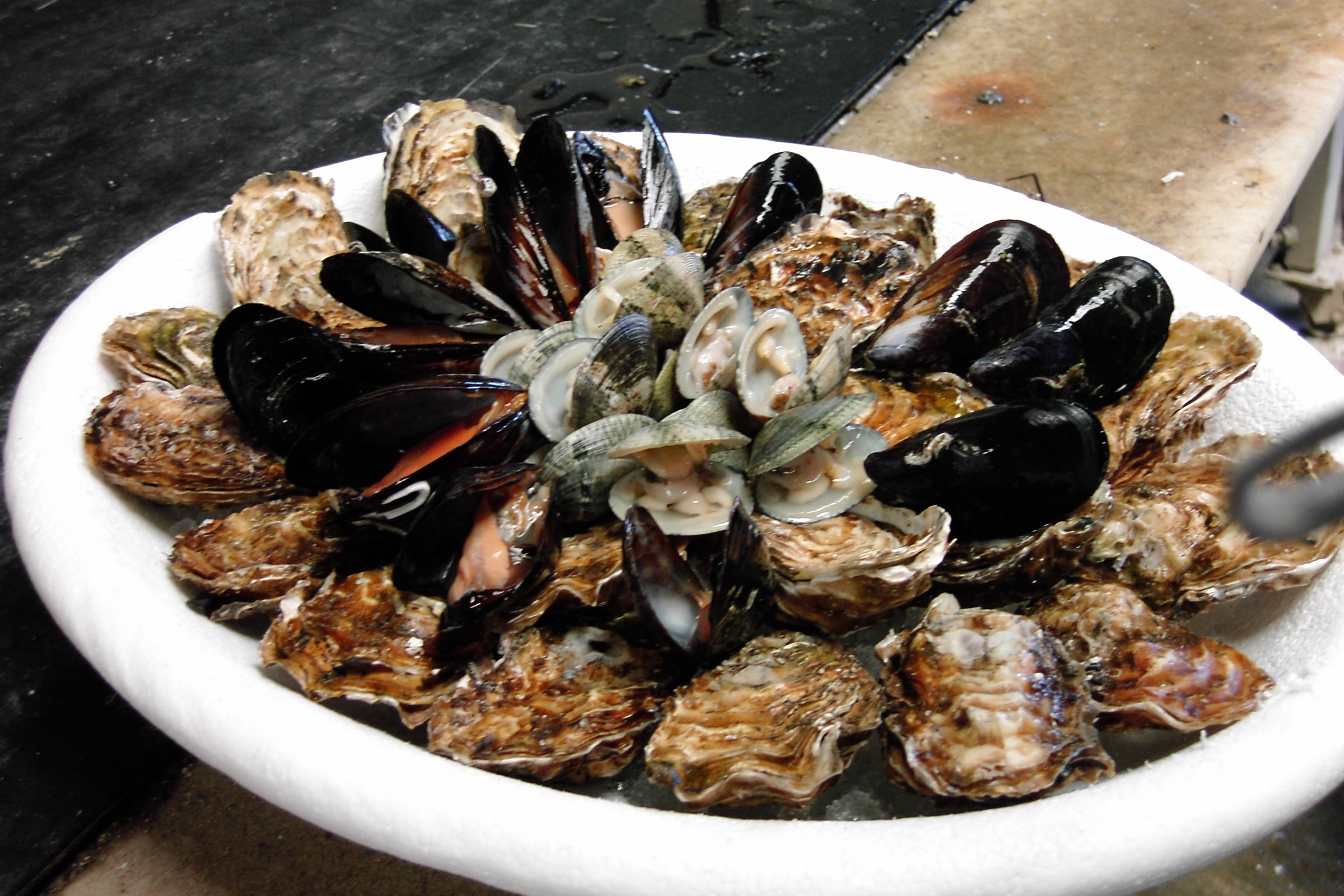
Occasionally, you’ll see raw mussels, for example on a plateau de fruits de mer in France or at a Hawaiian luau.  They’re just as safe as a properly handled raw oysters or clams, but myMEGusta prefers them cooked, all a matter of briny taste.

Plateau de Fruits de Mer

Plateau de Fruits de Mer


Another Good Reason to Visit the 50th State!

What’s a fruit that’s really good when completely unripe, fantastic when nurtured to juicy-soft perfection, and not really worth the trouble in between?

Papaya

Papaya

The beautiful papaya! It is hard to beat the flavor and texture of a tree ripened papaya, particularly if you’re eating it not so far from the tree where it grew on Hawaii’s Big Island.

They’re not easy to come by in most parts of the United States in this gorgeous condition, and, when they do, they’re the basic papaya, really good, but not like you get in places like Hawaii.

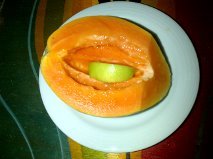
Strawberry Papaya with Lime at the Kilauea Lodge

Strawberry Papaya with Lime at the Kilauea Lodge

Strawberry papayas sat next to regular ones in the Hilo, Hawaii, Farmers’ Market on a foggy January morning. They looked pretty much the same. But, myMEGusta had one of the strawberry variety for breakfast the next day at the Kilauea Lodge in Volcano Village. Adorned simply with a wedge of lime, it was heaven on a plate.  The next day, she eschewed the additional menus items offered in addition to the fruit course, and her plea for “just more papaya, please” was answered.
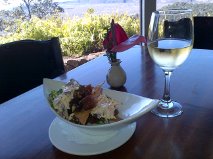
Who knows if the dead ripe “regular” papayas would have been just as delicious, or maybe even better if tasted side by side?

Green Papaya Salad

Green Papaya Salad

But who wants to eat unripe, green papaya? We do!

Shredded green papaya is the base for a Thai salad which also incorporates lime juice, hot peppers sauce, sweet pepper slices and peanuts all on a bed of lettuce. The cook always asks how hot, and myMEGusta’s request for super hot usually gets honored (sometimes, we are not believed….), another celestial delight.

Rahana's Truck at the Hilo Market

Rahana’s Truck at the Hilo Market

Available in most Thai restaurants, the green papaya salad has become a mainstay in mainland USA, which is great. But, myMEGusta’s favorite was mixed to order by Rahana in her little truck at the Hilo market that day.

Savored on a picnic table, with wafts of barbecue from a nearby stand floating by, it was the second best papaya breakfast ever.

It’s the 96th Anniversary of the Great Molasses Flood!

January 15, 1919 was a sticky day, indeed, in Boston’s North End.

Molasses Flood!

Molasses Flood!

Over 2 million gallons of molasses flowed, reputedly at 35 miles per hour, through the streets, cresting at 25 feet and ultimately killing 11 people, with massive damage to structures in its path. The disaster occurred when a 50 foot high tank ruptured, reputedly sounding like a freight train as the gooey liquid coursed down the streets.

Molasses has played a significant role in Bostonian culinary history since the earliest days. Barrels of it were sitting on ships next to the cartons of tea tossed into the harbor by patriots in 1773. It was, and is, a key ingredient in the production of rum, as well as classics such as Indian pudding and Boston baked beans.

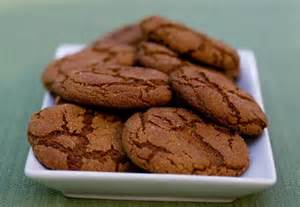
Molasses Cookies

Molasses Cookies

Molasses cookies are a staple in the dessert repertoire in the US, but on the other side of the pond, a similar product, treacle, is made into tarts, rich and delicious, although that’s one sweet best in small portions.

Treacle Tart

Treacle Tart

It was at the Union Oyster House, America’s Oldest Restaurant, that myMEGusta first heard about this event, commemorated to this day by Sam Adams Brewery with their Colonial Ale, available exclusively at this Bostonian landmark.

Colonial Ale

Colonial Ale

The bartender challenged us to guess the special flavoring, and was surprised when myMEGusta said “molasses!” right away. The brew isn’t sweet by any means; it just has a note of molasses in the finish, and is really quite tasty, particularly accompanied by local bivalves.


Coconuts to the Rescue!

As New Year’s Eve approaches, many savvy imbibers are laying in a supply of Coconut Water, purported to be the best “morning after” pick-me-up on earth.  Whether this is true or not, it does contain an array of vitamins, minerals and electrolytes, and has become wildly popular.

Coconut Water

Coconut Water

At the Market in Cuzco, Peru

At the Market in Cuzco, Peru

It is simply the liquid inside a coconut, sometimes erroneously referred to as coconut milk. More fun than consuming from a bottle is to sip straight from the source, perhaps from a street vendor in the tropics, or at markets all over the world, even in two mile high Cuzco, Peru.

In 1521, Antonio Pigafetta, the scribe on Magellan’s history making circumnavigation, commented about coconut, new to the Europeans:  “From the center of this marrow there flows a water which is clear and sweet and very refreshing, like an apple.”

The origin of the coconut, whether from the Philippines or Asia or even the Americas, is still being debated. It is thought that earlier species were more buoyant than today’s, more easily transported serendipitously on the ocean currents. But there are also arguments that coconut dispersion occurred when people inhabited new lands and cultivated them.

Coconut Milk

Coconut Milk


Cream of Coconut

Cream of Coconut

Coconut milk, coconut cream and cream of coconut are all products derived from adding water to pulverized  and squeezing out the liquid, the milk being the most watery and the cream of coconut, the least.

In the US, the best-selling brand of Cream of Coconut (Coco Lopez) is thick, has added sugar (as well as preservatives) and packs a whopping 130 calories per fluid ounce.  It is also a critical ingredient in delicious Pina Colada, a mélange of said coconut plus pineapple juice and rum; if you have to ask about the (mega) calories, just order rum and diet cola.

Coconut Oil

Coconut Oil

Coconut oil has had a rebirth in popularity. It was believed to be dangerous, based on old studies that examined hydrogenated coconut oil. Pure coconut oil is reputedly healthy, and has a very high flash point, meaning that it remains stable at unusually high temperatures, making it good as a frying medium.

Coconut Rice

Coconut Rice

Of course, coconut pulp is an ingredient in lots of delicious foods, including coconut rice, which myMEGusta  discovered in Barbados.

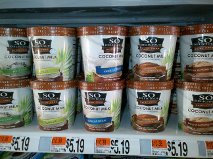
As for macaroons,  she prefers the coconut variety over the currently chi-chi French macaroons made with almonds. And what’s not to smile about with coconut cakes and coconut cream pies! You can even get coconut milk ice cream.

Macaroon

Macaroon

Coconut Milk Ice Cream

Coconut Milk Ice Cream

There’s an urban myth that 150 people per year meet their end by being bopped by a falling coconut (more than are killed by sharks!). When digging into the subject, myMEGusta learned that this is a number someone made up. But, responsible coconut palm owners do keep their trees harvested, just in case.

Whole Food

Actually, whole fish.

Anyone who has ever tackled a lobster, or eaten a clam or oyster, has been faced with an entire sea creature. And this is why myMEGusta is so surprised at the very American aversion to whole fish on a plate.

After

After

Before

Before


But, we don’t judge, so let’s talk about ordering a whole fish and dealing with it.

First, why?  Because a fish cooked on the bone is better. Period. The meat adjacent to the bones stays moister and tastier than if directly exposed to heat, and this is try whether grilled, or fried, or baked in foil or parchment.

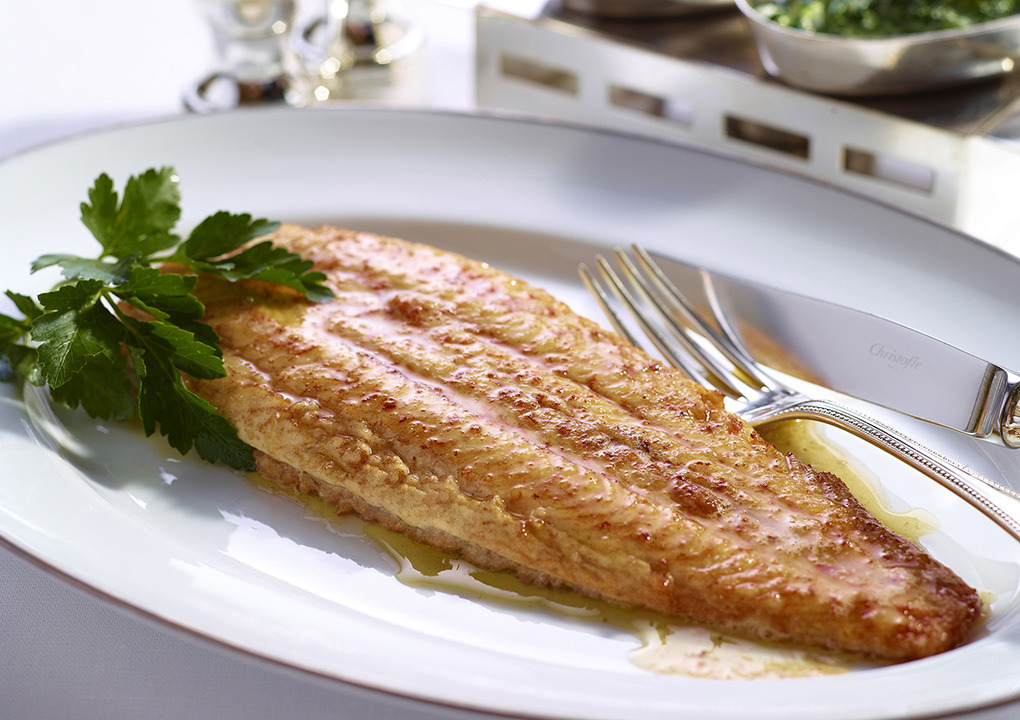
Dover Sole Service

Dover Sole Service

Dover Sole!

Dover Sole!


Then, how? Just ask the waiter to bone it for you.  They’ll take it away, whether back to the kitchen or to a side stand, and, voila, lovely little filets return on the plate. They’ll even do this at the Red Lobster, it’s not some kind of fancy French service.

But what about the head?

It’s the best part, although we realize that most readers won’t believe this. The meat is tender and rich, and the cheeks are a real delicacy. You can even buy cod cheeks in fish markets in the Boston area!whole fish chinese

On one occasion, at a business banquet in Hong Kong, one course was a whole, big fish. Fortunately for myMEGusta, no one else seated at her table knew much about eating this, so they all took tasty chunks of the body meat (OK, that’s what most normal people would do), and she was able to grab the head without appearing to be greedy (no one else wanted it). Delicious!  And the waiter came over and said “You know how to eat Chinese food!!”

There are traditions and myths about whole fish.

When a whole fish – whether a trout or a sole or a sea bass – is served in France, the head is always on the left side of the plate. We have no idea why this is, but vividly remember a chef-instructor in Paris many years ago saying “La tete a gauche, Mademoiselle!”  (“The head on the left, Miss!”) Readers!  If you know why, other than tradition, please comment!

As for fishing related myths, the Japanese never turn a fish once plated, carefully lifting the bones to reach the meat on the plate-side, because of an old belief that if the fish is flipped over, the fishing boat will capsize. They also believe that the presence of a woman on that vessel will cause it to sink. Then there’s the American superstition about bananas bringing bad luck on a fishing boat. We don’t make this stuff up.

No bananas onboard, please.

No bananas onboard, please.

News Flash! Sous Vide Is Landing in a Home Kitchen Near You!

One of myMEGusta’s favorite things is when science and technology change the “rules” for things related to food.

Modern farming and refrigeration techniques, for example, rendered obsolete the old saw about only eating oysters in the “R” months, referenced in  ”Slurp” (April 13,2012) . http://wp.me/s1VQOz-slurp

Now the Technique of Sous Vide is at our fingertips, safely and, for serious home cooks, not ridiculously expensive.

As background, take a gander at “Sous Vide: Don’t Try this at Home” (January 31, 2012), in which we discussed this new technique for creating fabulously tender, delicious foods, cooked slowly at a low temperature, something great for restaurants with the right equipment, but potentially dangerous in the hands of well-meaning amateurs. http://wp.me/p1VQOz-3W

But, the Personal Technology Section of the New York Times (November 19, 2014) is all about Bringing Sous Vide to the Home Cook, a welcome innovation!

http://www.nytimes.com/2014/11/20/technology/personaltech/bringing-sous-vide-to-the-home-cook.html?module=Search&mabReward=relbias%3Ar%2C%7B%221%22%3A%22RI%3A7%22%7D&module=Search&mabReward=relbias%3Ar%2C%7B%221%22%3A%22RI%3A7%22%7D&_r=0

The Best Food/Travel Auction of the Year is Back!

Featuring great getaways in some of myMEGusta’s favorite cities, like San Diego, Philadelphia, Phoenix and Washington, DC, Les Dames d’Escoffier’s online auction is now open for bids at https://www.charitybuzz.com/support/2151.

You can even vie for lunch with ABC TV star Carla Hall, including four VIP tickets to a taping of The Chew in NYC, a truly unique experience for food lovers!

It’s up and running, and open through December 9.

Come today, join myMEGusta in the bidding fun!  And, tell your friends!

To learn more about Les Dames d’Escoffier International, a philanthropic organization of women leaders in the fields of food, fine beverage and hospitality, click on www.ldei.org.

Having Yams for Thanksgiving?

Probably not, unless you live in Japan or Africa, in which case you’re probably not having a traditional turkey feast at all.

The little known fact is that potatoes are not related to sweet potatoes, and neither is related to yams, although the “y” word is often used for the sweet little yellow tubers so popular at Thanksgiving.

As readers of myMEGusta are aware, potatoes originated in Peru, and were brought to Europe by the conquistadors, a deed much more beneficial to humanity than their carting away the Aztec’s’ gold and silver. (Read Mellow Yellow Potato… at http://wp.me/p1VQOz-dx posted on July 2013.)

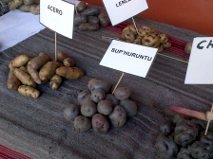
Potato Festival Display in Cusco, Peru

Potato Festival Display in Cusco, Peru

Potatoes’ popularity spread throughout Europe, so much that many folks actually think they are native to Ireland, and cannot imagine a world without the French fry. Today’s potatoes have been bred and bred and bred, so we have a huge variety of sizes, shapes and textures, although ancestral varieties still can be found in Peru.

Potatoes are in the nightshade family, related to other delicious American natives such as tomatoes, chili and bell peppers, eggplants and tomatillos. Tobacco and belladonna (deadly poisonous) are on different branches of this family tree, and are obviously not cultivated for food.

Sweet potatoes are another plant entirely, members of the morning glory family and also native to the Americas. Perhaps because they look similar, and can be prepared in similar ways, they picked up the potato moniker, confusing everyone.  One delicious way to enjoy them, which has probably been around forever, although it’s relatively new to myMEGusta, is sweet potato fries, the height of decadence.

Baked Sweet Potato!

Baked Sweet Potato!

The best way to enjoy? In the opinion of this good eater, simply baked and garnished with a little butter and salt, perfection. Save the marshmallows for s’mores. They are also nice baked and mashed, and sweet potato pie is a nice alternative to pumpkin pie for the holidays.

Yams in the Market

Yams in the Market

Yams originated an ocean away, in Africa, and their use spread far and wide, including into Japan where they are wildly popular. They are not even distantly related to what we properly call sweet potatoes, and have a much drier texture.

Baked Japanese Yam

Baked Japanese Yam


A treat for myMEGusta this fall was the gift of a few of these little treasures which she baked and enjoyed straight out of the oven. Of course, there are innumerable varieties of yams over many continents.

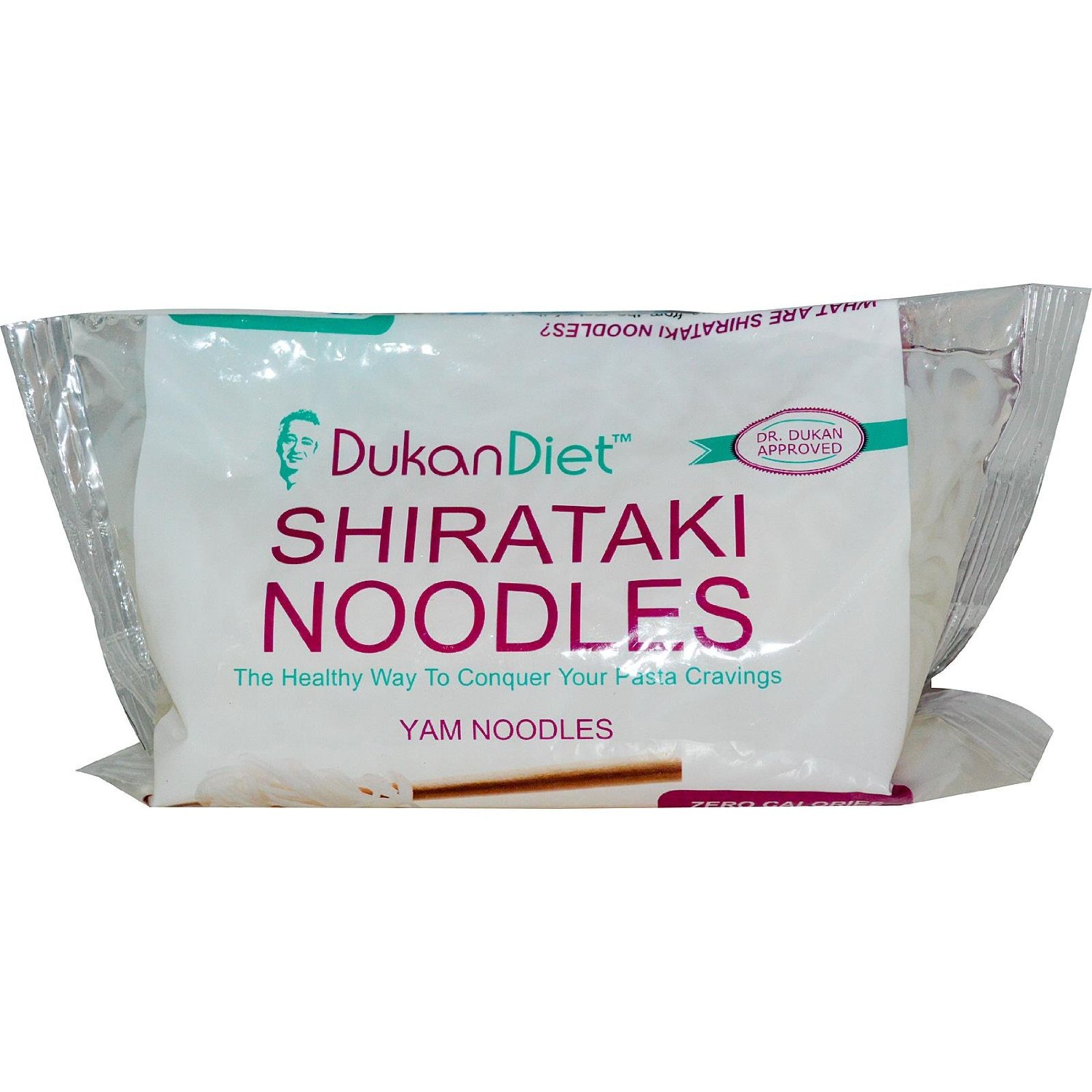
Shirataki noodles, made from Asian yams, are a favorite treat for people on low carb diets, very tasty in soups or with tomato sauce.

Shiritaki Noodles

Shiritaki Noodles

Fans of Japanese cinema will recall a scene in Tampopo, the first “ramen western,” in which a yakuza (mafia) character speaks poetically about eating the grilled intestines of freshly hunted wild pigs who themselves had just feasted on wild yams. Think of it as a barbecued yam sausage.

Post Navigation