myMEGusta

Named for things that please me (“me gusta” in Spanish) and rhymes with balabusta (Yiddish for “good homemaker”).

Cruising Along!

Being an avid traveler, myMEGusta is often asked which of the several cruise lines I have traveled is best.

Here’s a stab at a response, the short answer being “It depends.” And, the field I can comment on is limited to a handful, not a comprehensive look. So, if your favorite is not on the list, it’s not because I would not love it; it’s because I have not traveled with them, at least in the past 20 years.

So, here’s the list, all “excellent”, but with significant differences in style and costs.

Crystal Symphony in Ilhabela, Brazil

Crystal Symphony in Ilhabela, Brazil

Crystal

My most recent experience was on the Crystal Symphony, sailing 25 days.  The fact that I was NOT ready to leave the ship after all that time speaks volumes.

While not as upscale as Seabourn (for example, no unlimited, daily, high quality caviar), it vastly exceeded my expectations. The food was excellent (translation: top quality and great variety), both in the dining room and buffet and in the two specialty restaurants, Prego and Silk Road (Nobu), to which one is entitled one “free” dinner for each 10 days or fraction thereof (after which $30, a bargain for the quality).  All inclusive, the Champagne (Jacquart, Roederer and one other French) flowed freely, as did reds, whites and roses (e.g. one from Tavel and one from Provence), and top shelf bar.  Topping it all was the extraordinary service, professional and accommodating.

A major selling point for me, as a solo traveler, is that their normal single supplement is a reasonable 35%, and occasional sales bring it down to 10%. Another plus (although hardly a deal maker) was the Host Ambassadors, well-spoken gentlemen whose only job was to ensure that the ladies had partners for dancing. The entertainment was, by and large, very good, particularly the piano bar. I will definitely travel with them again.

Ponant

This is a French company, only recently beginning to market actively in the United States, and was an absolute delight when I traveled with them a few years ago. One big plus is that sailing with them is truly a French experience (announcements first in French, then in English), and the vast majority of passengers are French, as is the culture of the ship, including the food and wines (all inclusive, including Veuve Cliquot pour).

Lincoln Center Chamber Music Society Performing at the Palazzo Beneventano, Syracuse, Sicily

Lincoln Center Chamber Music Society Performing at the Palazzo Beneventano, Syracuse, Sicily

The Lincoln Center Chamber Music Society, whose cruises I have enjoyed a couple of times in the past on another line, is now working with Ponant, and so far two itineraries are scheduled. http://www.chambermusicsociety.org/support/2016_cruises

I do not know what their normal single supplement is, because my voyage was on a 0% single supplement sailing. Entertainment was really poor, unless you like unending variations (with little synthesizers!!!) of “Stwainjairs in the Nide.” Of course, that would be completely mitigated by access to world class chamber music.

Seabourn

Tip top, no question about it, Seabourn is an example of “you get what you pay for.” But, in my opinion, the price/quality difference with Crystal or Ponant is barely worth it, even before the 100% single supplement.

Seabourn Caviar in the Sea

Seabourn Caviar in the Sea

Other than the caviar, their food/wine (I forget what Champagne, but it was a top one) was not significantly better than Crystal’s or Ponant’s, nor were their wines. Entertainment was OK, nothing special. If they fix the single supplement, I would consider them in the future if they offer an itinerary not available on one of the other lines.

Lindblad/National Geographic

Food and service are very, very good, but in a different class entirely from the above mentioned three, and it is not all inclusive. Cabins are not fancy. But, the drawing card, and what drives their high costs, is their exotic locations and teams of scientists and photographers on board, not to mention enough zodiacs so that all passengers can get off at every spot. The “entertainment” is daily debriefings and lectures. I have traveled with them three times: Antarctica, Alaska, and Columbia River.

Lindblad Walking Among the Penguins, Aitcho Island, Antarctica

Lindblad Walking Among the Penguins, Aitcho Island, Antarctica

This is the only company I would recommend for Antarctica, where being on an ice breaker ship, sailed by a captain who plies the Southernmost and Northernmost waters most of the year, puts safety in the forefront. Plus the experience includes actually walking among the penguins and kayaking among the icebergs, versus drive-by photo ops.

Silversea

Nothing to say yet about Silversea, which I am sailing later this year. It is reputedly on a parallel with Crystal, perhaps a little more formal and fancier cabins (“Every room has a walk in closet!” exclaimed one high maintenance fan), and they are solo-friendly with Host Ambassadors and a reasonable single supplement, at least on this itinerary. I am expecting excellence, so stay tuned!


Are You Ready For The Next Big Bite?

It’s already mid-January, time for the worst excesses of holiday indulgences to have been dieted or exercised away, or, perhaps, to be lived with until the next milestone incentive arrives.

So, it’s time to start savoring the New Year’s bounty. Don’t we all deserve a treat in the dead of winter?

One fun approach to this is to think about one’s own view of what the gastronomic future brings this year, and compare it to what the experts are predicting. Maybe it’s a delicious grilled cheese sandwich treat from a new food truck, or anxiously awaiting the opening of your neighborhood farm market (or garden center, if you are fortunate enough to grow your own vegetables).untitled

This year, we have the benefit of an array of educated prognostications, courtesy of Les Dames d’Escoffier New York. Their panel discussion, “The Next Big Bite, What You Will Eat and Crave in 2016,” brought together Amanda Cohen, chef/owner, Dirt Candy; Amanda Hesser, co-founder/CEO, Food52; Marion Nestle, Professor of Nutrition, Food Studies and Public Health at New York University; and Mimi Sheraton, pioneering food journalist and restaurant critic, all moderated by the formidable Rozanne Gold, four-time James Beard Award-winning author, chef and journalist.

In summary, the top ten culinary trends identified by this august group were:

  1. The end of food elitism as younger chefs open more restaurants in off-the-beaten-path neighborhoods
  2. A growing desire for locally sourced food, sustainability of farms, and more organic options
  3. The fusion of traditional and exotic cuisine (e.g., Louisiana dishes cooked with West African recipes and spices)
  4. Increasing interest in Eastern Mediterranean foods from countries like Israel, Tunisia and Morocco
  5. Focus on the root-to-stalk movement that elevates vegetables from side dish to entrée status
  6. The shift of meat from center plate to the sidelines, in response to new World Health Organization report guidelines on the health risks from eating processed and red meat
  7. Proliferation of food trucks with multi-cultural cuisine
  8. The continuing decline of soda consumption and sales
  9. Expanding restaurant business challenges, from all-inclusive tipping policies to new training regimens
  10. A more politically-active food community impacting governmental policies and humanitarian causes

Go to www.ldny.org, and click on The Next Big Bite to watch or listen to the entire presentation.

And, myMEGusta is looking forward to reading YOUR comments!

Buche de Noel

What does a hunk of wood have to do with an elegant French patisserie?

Buche de Noel

Buche de Noel

Buche de Noel

Buche de Noel

It’s the notorious Buche de Noel, inspired by the ancient Yule Log tradition.
The traditional burning of a Yule Log – simply a chunk of a which had been treated with aromatics like pine cones or sometimes even wine or salt – at the winter solstice goes back to the Middle Ages. At some point, (between the 17th and 19th centuries, depending on who you believe) a creative cook started decorating her cake rolls to look like the logs, and the tradition spread.
Like the Christmas tree, the Buche de Noel has nothing to do with the religious holiday for which it is named other than being an accoutrement to the festive winter celebrations.

Red Velvet Cake Roll

Red Velvet Cake Roll


Yodels!

Yodels!

A Buche de Noel is basically a rolled sponge cake, really a glorified Drake’s Yodel, which often looks a lot better than it tastes, so very important to make a flavorful sponge cake, delicious filling and icing, and decorations that actually taste like something.
It can be very elaborate, including branches, or can be simple but delicious.

If you can make a cake roll, you can make a Buche de Noel. Ambitious cooks can create marshmallow “mushrooms”, make piped frosting flowers and other fancy garnishes, all great if you have the interest/time/skill. But, you can also decorate simply, e.g. with beautiful red raspberries or nuts.

Buche de Noel

Buche de Noel

A relative, with no historical connection but also a special occasion dessert, is the Philippine Brazo de Mercedes, a rolled cake confection that is wildly popular, and even shows up on cruise ships whose staff enjoy this as a taste of home.

So, don’t wait 12 months until next Christmas to have some fun!

Brazo de Mercedes

Brazo de Mercedes

The Codfish Quandary

When December rolls around, many gourmands’ thoughts turn to codfish, especially salted codfish, to be exact. Also known as bacalao, it is a staple of many a southern European Christmas menu. And, fresh cod, mild-flavored and meaty, is a favorite of fish lovers everywhere.

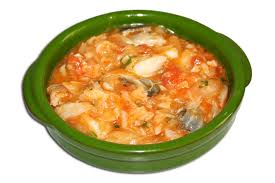
Bacaloe Stew

Bacalao Stew

Teeming schools of cod used to populate the Atlantic, so much so that this fish was one of Europe’s most important sources of protein. In Pre-Colombian days, the fish was caught in the North, preserved in salt, and then shipped throughout Europe, particularly to Portugal, Italy and Spain.

Salted Cod

Salted Cod

This massive trade is one reason salt was so valuable in those days, even serving as currency before refrigeration and other modern methods of food preservation. [For a fascinating look at the role of salt over time, as well as its role in Old World economics, read Salt: A World History by Mark Kurlansky (Penguin Books).]

After the discovery of America, fishing fleets from Europe moved westward to ply the American waters, sending their catch home, salted, although some of them, particularly the Portuguese, settled into places like New Bedford and Gloucester, MA.

The Sacred Cod

The Sacred Cod

Cod eventually became so important to the Massachusetts economy that a wooden sculpture, “The Sacred Cod”, hangs in the Massachusetts State House.

Codfish was also a cheap, plentiful staple for generations of New Englanders, with cod cakes, cod chowder, baked cod, and such wildly popular then, and still today.

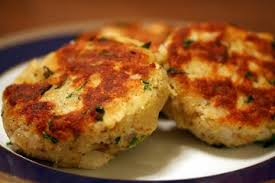
Codfish Cakes

Codfish Cakes

And, herein lies the problem.

The fishery was robust, but not strong enough to withstand overfishing. Cod has been depleted faster than it can replace itself, and this has led to limits on allowable catches, jeopardizing the livelihoods of fisherman in New England and Canada alike.

But people want to buy it, and the shortages create a Truth in Menu problem when consumers demand a fish that is either very expensive at wholesale or not available at all. Similar fish are often substituted for cod, both at the market and on menus, and most people cannot tell the difference, particularly when the fish has been chopped or shredded.

Cod with Garlic

Cod with Garlic

Seafood Watch, affiliated with the Monterey Bay Aquarium, puts out of list of stable, recommended species, as well as those which are recommended to AVOID, and some North Atlantic Cod is prominent on the AVOID list. http://www.seafoodwatch.org/-/m/sfw/pdf/guides/mba-seafoodwatch-northeast-guide.pdf?la=en But, it gets confusing, because North Atlantic Cod caught in certain ways, is perfectly okay, according to their list.

So, what’s a good eater to do?

One important movement afoot among many New England fishermen/suppliers is to encourage restaurants to promote “fish of the day”, rather than listing cod on the menu at all, thus increasing the demand for equally tasty and more sustainable fish while reducing the stress on the cod fishery. Haddock, hake and pollack are all good substitutes, as are numerous other lesser known white fish which are delicious but not as well known. In fact, haddock has long been openly substituted for “baby cod” in “scrod” dishes.

So, look for alternatives the next time you’re in a restaurant, and don’t be afraid to try something new when the server says “it tastes like cod”.

And, when at the fish market, just ask if that pretty little cod fillet was sustainably fished; if they don’t know what you’re talking about, you need a new place to shop!

It’s Eat a Cranberry Day!

Cranberries!

Cranberries!

Yes, November 23 is Eat a Cranberry Day. Nobody seems to know where this originated, nor is Ocean Spray*, the giant cranberry cooperative, taking credit. Let’s make the bold assumption that it was someone with one foot in the bog (and the other heading to the cash register), versus another theory that it was created by someone promoting healthy eating.

*Join the Cranberry Club on their website!

One can enjoy cranberries, and cranberry mélanges, 365 days of the year. But Thanksgiving is the big day for their appearance at dinner tables across America, appropriate since they are one of the few fruits we enjoy which is actually native to North America.

Venison with Cranberries in Vienna

Venison with Cranberries in Vienna

They are so “American” that it is surprising to find them elsewhere, particularly labeled “local”. But there they were, at Vienna’s Café Landtmann www.cafe-wien.at after the most Viennese of local activities, watching trainers lovingly put the famed Lipizzaner horses through their exercises to beautiful music. The venison ragout came with local cranberries, potato croquettes, and the epitome of understatement, “mushrooms” which were boletes and other fresh wild mushrooms.

And, we have all heard about how cranberries are harvested, by flooding the bogs and gathering them as they float, having been jarred loose by an eggbeater type machine. This is only partially true.

Wet Harvesting

Wet Harvesting

If your cranberry sauce came out of a can (which is just fine, by the way), that is exactly how they were gathered and then quickly sent off for processing.

If your cranberries arrived fresh, they were harvested dry, with a machine that looks like a lawn mower, sending the berries into the air to be caught in harvest bags. This is a less efficient way of gathering the fruit, but will not spoil quickly and remain in excellent condition by the time you are ready to cook them.

Dry Harvesting

Dry Harvesting

As a side note, there used to be a well-known business school case study about the challenges of sorting the berries for quality, and the genius who solved the problem had seen how they self-selected for size and quality based on how far and how fast they bounced down a staircase.

Chocolate Covered Cranberries

Chocolate Covered Cranberries

Happy Thanksgiving to everyone, whether you enjoy your cranberries jellied from a can (the ultimate comfort food which, married with gravy, salvaged the overcooked turkey during many of our childhoods), sauce from a can, in a cranberry juice based cocktail, in chocolate covered craisins, in scones, in many more variations than the Pilgrims ever would have imagined.

Shrimp and Grits, a Taste of the South

Shrimp and Grits

Shrimp and Grits

To Northerners, it sounds like a strange mélange. But to folks from the South, shrimp and grits is the perfect couple, with infinite variations, both personal and regional, and the ultimate comfort food (well, perhaps that honor is shared with really good biscuits).

Having been introduced to shrimp and grits many years ago on a business trip somewhere in the South, myMEGusta knew that this dish had to be part of the repertoire during a recent visit to Charleston, SC, the site of this year’s Les Dames d’Escoffier International Annual Conference (www.LDEI.org) . And the planners must have been reading her mind, offering a version with spicy andouille sausages and gravy (according to the server, “what makes them special”), a perfect breakfast.

Grits

Grits

For the uninitiated, grits are a coarsely ground corn, sometimes called hominy, introduced to settlers by the Muskogee Tribe who inhabited the Low Country, aka Georgia and the Carolinas, as well as Alabama and Florida. The gritty texture gave the dish its name, and it was consumed by everyone, from the Europeans to the slaves they eventually brought over, and it was these slaves, who enhanced their rations by adding proteins like the abundant shrimp they could catch, who created the dish.

America’s shrimp and grits feeding frenzy began in 1985, when food journalist Craig Claiborne became enamored of them on a trip to North Carolina, and publicized Chef Bill Neal and his recipe. http://www.nytimes.com/1985/07/10/garden/for-a-carolina-chef-helpings-of-history.html

Once the dish emerged, there was no stopping its popularity. While it is most often associated with the Low Country, the dish is been embraced throughout the South as a favorite, with local variations, of course. For example, Commander’s Palace in New Orleans, LA, makes theirs with bacon.

It has been updated and popularized as “haute cuisine” by a number of upscale restaurants, but widest known, and most popular, as a breakfast item. Every family has its own variations on it, from what goes into the grits to how the shrimp is cooked to other garnishes, e.g. andouille sausage or other pork products, gravy (what flavors, if any gravy at all), and even vegetables.

Shrimp and Grits Cookbook

Shrimp and Grits Cookbook

But, if you have ever had Nathalie Dupree’s shrimp and grits, you have experienced a taste of heaven. This particular shrimp and grits recipe is a far cry from the cuisine of poor people, a rich treat made with heavy cream and butter, an absolute delight. Click through to read Susan Slack’s commentary, and the wonderful recipe from Nathalie’s book, Shrimp and Grits. https://susanslacktasteofcarolina.wordpress.com/2006/06/14/readers-request-a-shrimp-grits-recipe-from-nathalie-dupree/

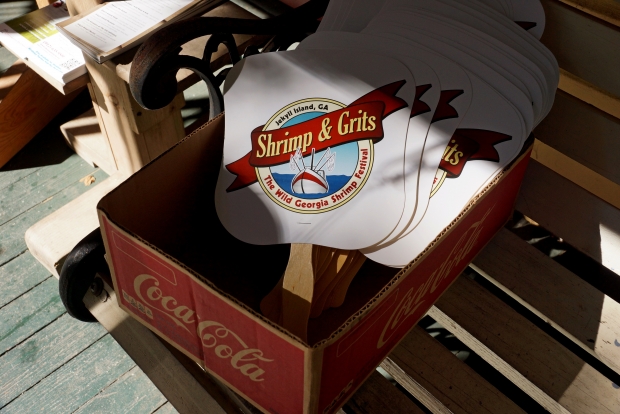
Places like Jekyll Island, GA, and Charleston, SC, even have Shrimp and Grits festivals during which chefs vie for honors: http://www.shrimpandgritscharleston.com/ and http://www.goldenisles.com/festivals-events/annual-jekyll-island-shrimp-grits-festival .

Jekyll Island Shrimp and Grits Festival

Jekyll Island Shrimp and Grits Festival

Competing at the Charleston Shrimp and Grits Festival

Competing at the Charleston Shrimp and Grits Festival

Road trip???!!!

Eat Your Spinach!

spinach popeyeHow times have changed! To boomers, Popeye was a spinach chugging mariner. Today, when you Google the word, you are led to a string of references to Popeye’s Fried Chicken (quite delicious, by the way), with the burly sailor man relegated to the bottom of the list.

For many people, their only exposure to this leafy green was through the rather vile canned variety, wildly popular among sadistic mothers in the 1950’s. One of the few things myMEGusta’s non-cook mom did well was spinach, cooking it fresh and serving slathered with butter, and it was one of my favorite foods growing up. In fact, I never understood why people didn’t like it until the grayish, stringy canned variety turned up on a school cafeteria plate.

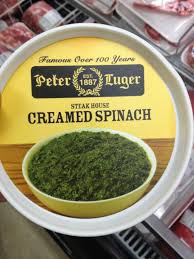
Creamed Spinach, Peter Lugar Steakhouse Style

Creamed Spinach, Peter Lugar Steakhouse Style

Rich in iron, spinach is also rich in irony, being a super healthy vegetable, but usually one of the naughtiest in restaurants, for example, the creamed spinach everyone loves in steak houses.

The happy marriage between butter and spinach is celebrated in the old French expression “Il n’y a jamais assez de beurre pour les epinards”, meaning, literally, “There is never enough butter for the spinach.”

Believed to have originated in Iran, spinach was even called “persian vegetable” when it was introduced to China, probably in the 7th Century. A few hundred years later, it traveled to Europe, again becoming wildly popular because it grows easily and is so versatile.

Chicken Florentine

Chicken Florentine

When you see the word “Florentine” in a menu description, it means that spinach is a primary ingredient. This tradition ties to Caterina de Medici, originally from Florence, Italy, who reportedly loved it.

Spanakopita

Spanakopita

A personal favorite in Greek restaurants is spanakopita, filo dough wrapped spinach seasoned with feta cheese.

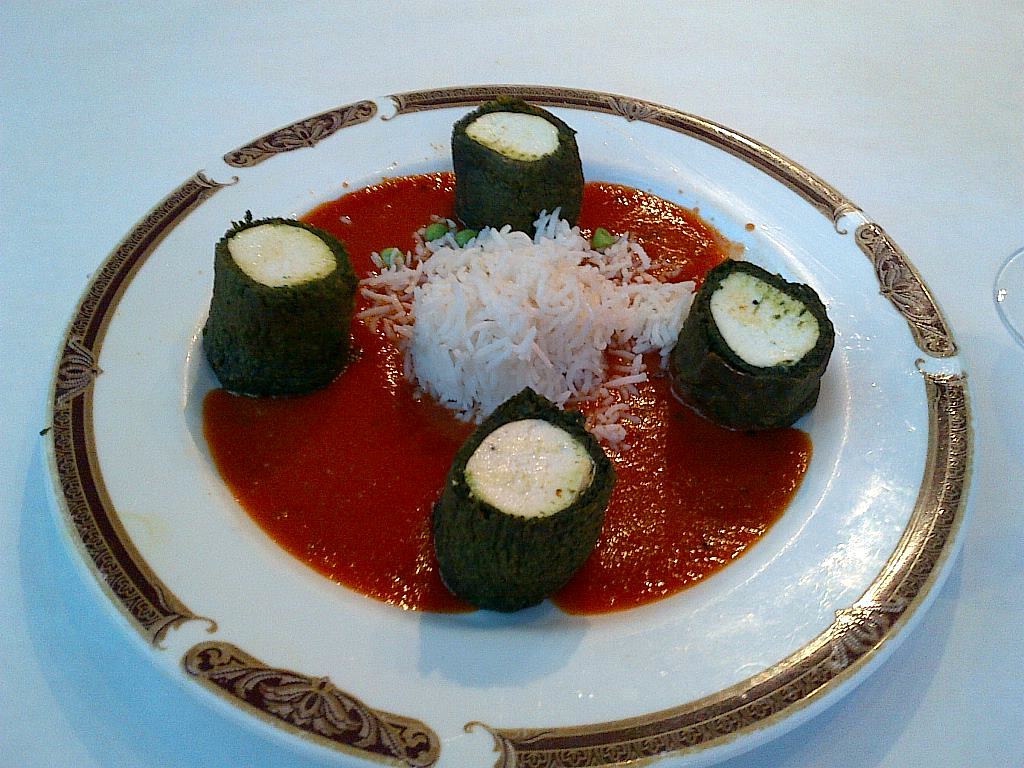
And spinach is ubiquitous in Indian restaurants, known as “saag” on menus, often served sautéed with paneer, a fresh Indian cheese, often home made. A variation on this, called Sham Savera, appeared as the “Chef’s Signature Special” at Coromandel (an Indian restaurant in Stamford, CT): paneer cloaked in seasoned spinach, served with a honeyed tomato sauce and rice, just delicious.

Shan Savera

Shan Savera

As a side note, Sham Savera also seems to have something to do with Bollywood music, and readers who know what this is, please add a comment!

Wacky Cakes? Dump-it Cakes? Soda Siphon Cakes?

Wacky Cake

Wacky Cake

Anyone who grew up in the 50s will remember “Wacky Cakes”!

Making a Wacky Cake

Making a Wacky Cake

The story in my neighborhood was that it was wacky because it contained neither milk nor eggs. “How can that be????” It was wacky in that it was a brand new recipe that should not have worked. The only cakes that “worked” where I grew up were from rigid family hand-me-down recipes or, in my house, from a box.

But, stories vary as to its origins. Also known as “three hole cake”, the Wacky Cake is said to have originated in World War II, when enterprising cooks created desserts without the rationed milk and eggs. But other stories go back to the Depression Era, same issue, different cause.

We wonder how far back in time this concept really goes. Did some 1930’s housewife pull out her ancestor’s recipes for a dessert she could make with scarce ingredients on the wagon train? We’ll never know.

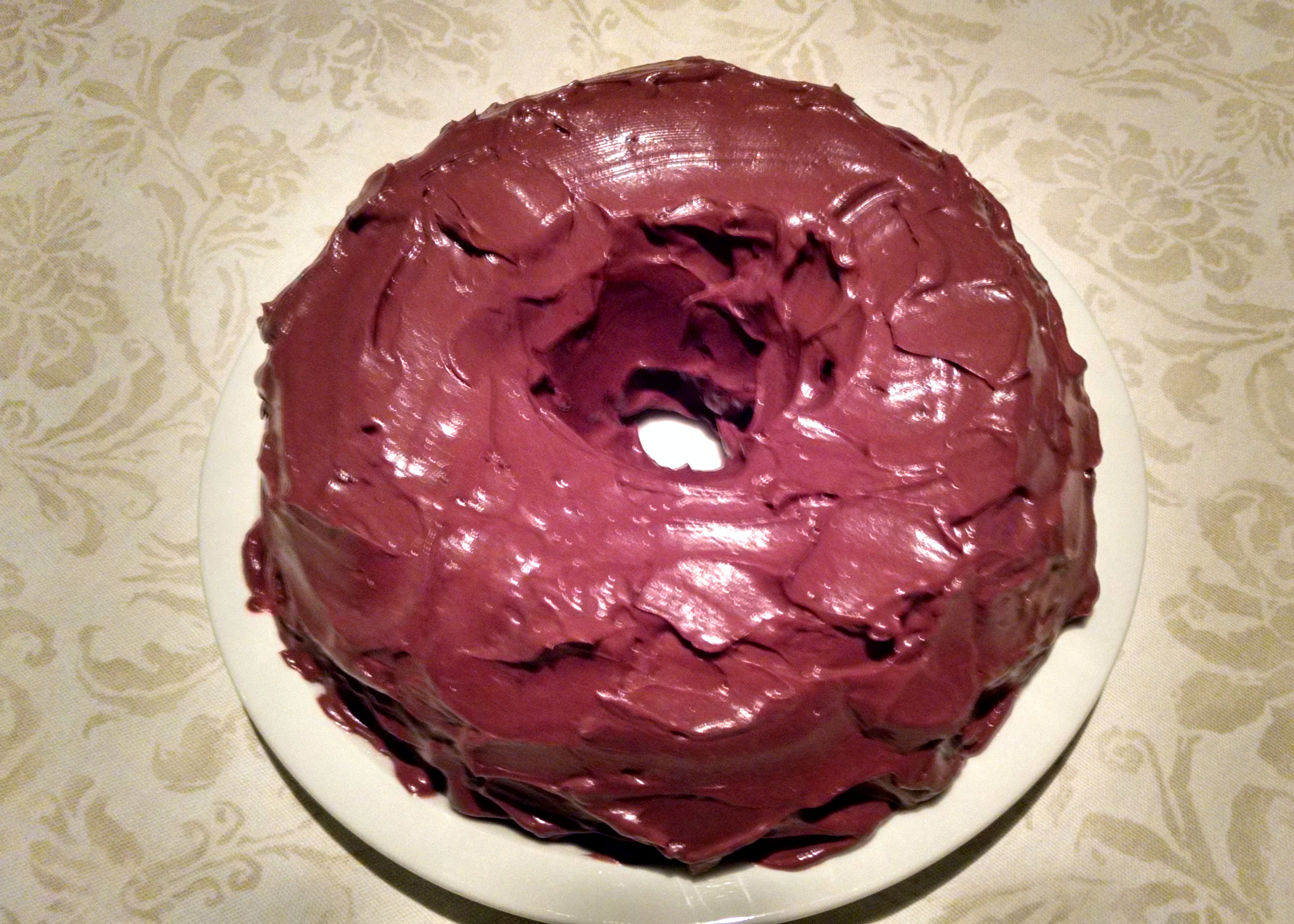
Another fun, unorthodox cake is the Dump-It Cake, a rich chocolate confection made by dumping the sequence of ingredients into a saucepan on the stove, carefully and in stages, of course, then pouring into a baking pan and baking.

Brian's Chocolate Dump-It Cake

Brian’s Chocolate Dump-It Cake

This recipe, made recently by friend and super-cook Brian, originally appeared in the New York Times back in 2002: http://cooking.nytimes.com/recipes/9404-chocolate-dump-it-cake And, it was as delicious as it looks.

But, to get really wacky, you have to come to the 21st Century (or, perhaps to the late 20th when it might have been invented) and taste a soda siphon cake.

Siphon Cake at Le Saint-Placide near St. Malo, France

Siphon Cake at Le Saint-Placide near St. Malo, France

The first encounter myMEGusta had with this treat was at Le Saint-Placide, Isabelle and Luc Mobihan’s one-star Michelin restaurant in St. Malo, in Normandy, France. Set in Saint-Servan-sur Mer, a peaceful residential neighborhood well outside of the historical (and tourist drenched) walled city, this restaurant was the highlight of a recent dining trip to France. www.st-placide.com

The cake looked more like a piece of seaweed than a dessert. In fact, myMEGusta had to call over Madame La Proprietaire to ask what it was, and she articulately explained how the green tea scented cake batter, flourless and made with egg whites, had been extruded through a soda siphon (injecting it with some carbonation) before being baked in the microwave oven. Who would have thought a microwave oven could be an important tool for a first class pastry chef?

The process showed up on a recent episode of Masterchef, one of myMEGusta’s television addictions, with a finalist creating a cake in a similar manner, his incorporating whipped cream. It looked as delicious as my recent memory from Normandy.

Soda Siphon

Soda Siphon

When It Ain’t Broke, Don’t Fix It: Compound Butters

Sometimes it takes a pet peeve to make you realize that you should not necessarily be annoyed at all.

Take compound butters, those melanges which show up so often in trendy restaurants, when a well-meaning chef has incorporated huckleberries or some other unfortunate choice into perfectly nice butter.

Meripaviljonki Restaurant, Helsinki, Finland

Meripaviljonki Restaurant, Helsinki, Finland

It was a bad omen when it, butter which clearly had been messed with, arrived at the otherwise promising Meripaviljonki Restaurant floating in a scenic North Sea inlet in Helsinki, Finland.

But, what a revelation! The extra ingredient worked into the butter was more butter, browned to a turn with a wonderful nutty flavor. It was perfect as it melted into hot-from-the-oven bread, a strong start to a delicious dinner.

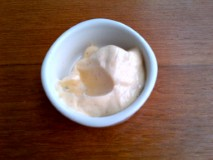
Brown Butter Flavored Butter

Brown Butter Flavored Butter

“Why didn’t WE think of this?” myMEGusta emailed to a foodie friend.

“Compound” butter is simply butter into which some ingredient other than salt has been incorporated. They are actually very simple to make, just soften and mush around with the “extra”.

Tarragon Butter on Corn

Tarragon Butter on Corn

Herbed butters, for example, tarragon butter, can be wonderful, but have to be super fresh. These are particularly nice on corn on the cob.

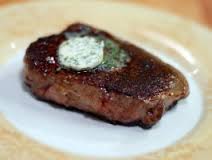
The only other mixed butter which myMEGusta really enjoys is the classic Maitre d’Hotel butter. This sounds fancy, but is just butter with lemon juice and fresh parsley, easy for anyone to make, and it adds a really nice visual and flavor touch to grilled steak or seafood.

Maitre d'Hotel Butter Melting on a Steak

Maitre d’Hotel Butter Melting on a Steak

Honeyed butter sometimes appears on brunch tables, somewhat appropriate for those baskets of sweet rolls at its side. When it shows up at dinner time, we don’t touch it. Ditto for fruity butters.

Making Compound Butter

Making Compound Butter

But, readers may differ, so share your ideas!

Not The Great Muppet Caper!

The Great Mutter Caper

The Great Muppet Caper

Rather, we’re looking at the little Mediterranean flower buds called capers, indispensable in an Italian Puttanesca Sauce and a beloved (by some) companion for caviar and smoked salmon.

In the United States, it is easy to believe that they originate in a bottle, since they are not grown here, at least commercially, and are imported already pickled and/or salted.

Pickled Capers

Pickled Capers

But, in some areas of the Mediterranean, they are as common as weeds, seen “on the hoof” for the first time by myMEGusta on a trip to Rhodes, the Greek island, several years ago.

Wild Capers in Rhodes

Wild Capers in Rhodes

More recently, they were espied in a street market in Santanji, Mallorca, but looked like some kind of little bean. With the help of amigas Marta and Maria from Madrid, we were able to identify them as fresh capers.

Fresh Capers at the Santanji Market

Fresh Capers at the Santanji Market

It is said that nasturtium buds can be substituted for fresh capers, but it is a mystery as to why anyone would need fresh ones. When looking for recipes for these fresh beauties, the only dishes that emerged called for them to have been pickled, salted, or marinated in wine. Readers? Are we missing something here?

Nasturtiums

Nasturtiums

As a side note, nasturtium flowers and leaves (from an organic, pesticide free garden) make a wonderful, spicy addition to summer salads.

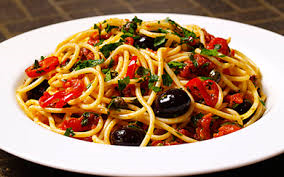
Pasta with Puttanesca Sauce

Pasta with Puttanesca Sauce

Capers are an acquired taste, and not a personal favorite, probably because of their acidity and somewhat bitter taste (at least to myMEGusta). In small quantities, like in the famous Puttanesca, they add a nice flavor note to a complex sauce which also includes tomatoes, anchovies, garlic, and olives.

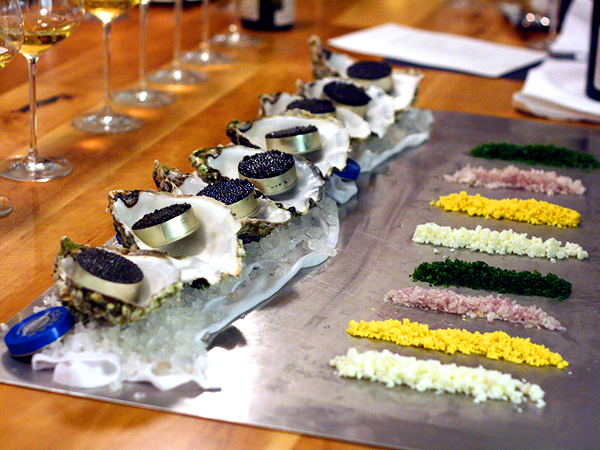
Caviar and Accoutrements

Caviar and Accoutrements

They show up as an adjunct to caviar, along with hard boiled egg whites and yolks, chopped raw onion, chives, and sometimes crème fraiche (or sour cream) and blini (Russian buckwheat pancakes). I’ll take my caviar straight, thank you, skip the garnishes.

Smoked Salmon with Capers

Smoked Salmon with Capers

And, lots of folks like them with smoked salmon, or with fish, in general. It’s all a matter of taste!

Post Navigation