myMEGusta

Named for things that please me (“me gusta” in Spanish) and rhymes with balabusta (Yiddish for “good homemaker”).

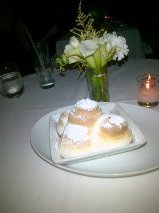
Happy Bastille Day, July 14! Have a Macaroon!

Macaroons at Dalloyau in Paris

Macaroons at Dalloyau in Paris

Pretend you are sitting with your morning coffee at the wonderful Dalloyau in Paris, enjoying the complimentary macaroon that arrives with it as you gaze at the Jardin de Luxembourg.


Or, you are in the countryside, wandering through the old city of Dole in the Jura region in the foothills of the Alps, and stop into a little patisserie to indulge in an afternoon snack of a colorful little bite.
Macaroons at a Patisserie in Dole, Jura, France

Macaroons at a Patisserie in Dole, Jura, France


French macaroons have come to the forefront as a major international treat. Once obscure, they are now well known (and loved) enough to be appearing in an ad for Fios, the fiber-optic utility. Creative chefs, particularly caterers, are having fun creating macaroon lollipops and decorating cakes with them.


Macaroon Wedding Cake

Macaroon Wedding Cake

On a recent episode of Hell’s Kitchen, the losing team made a “mountain of macaroons” for a wedding reception (while the winners flew off for a night of fun in Las Vegas). Another example of macaroons’ trendiness was appearing after an exquisitely prepared, set menu at Hakkasan, a superb Chinese restaurant in London (and New York); the green tea, pistachio and chocolate treats were tasty, but felt out of place, although house-made macaroons appear on the regular dessert menu.

Macaroon Lollipops

Macaroon Lollipops


The name, “macaroon” derives from the Italian “maccarone”, or paste, the same root as “macaroni” (flour paste rather than nut paste). The newly modish French macaroon is made with ground almonds (plus beaten egg whites and sugar) and stuffed, like an Oreo.


The macaroons many of us grew up with, the English version and myMEGusta’s favorite, are coarser, made with coconut, and normally served “au naturel,” although sometimes made with, or dipped in, chocolate.
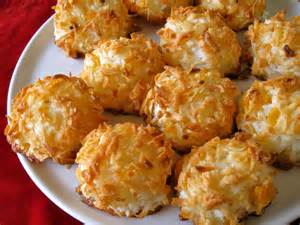
Coconut Macaroons

Coconut Macaroons

Even on Bastille Day, myMEGusta would take the coconut, but would hardly be unhappy with the colorful French style!

Macaroons!
Macaroons!


Finns’ Huckleberries

July is National Blueberry Month in Finland!

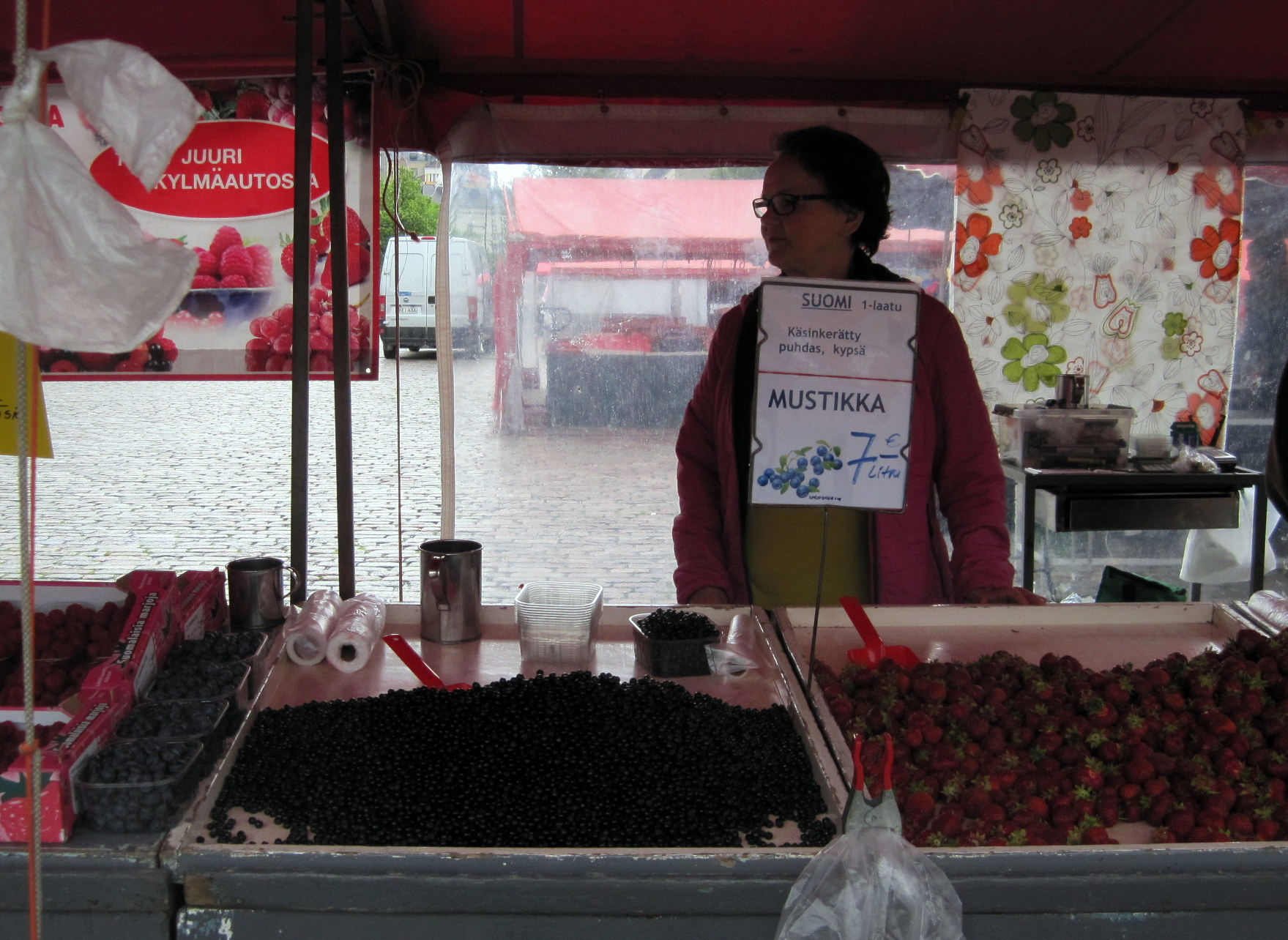
Visiting Helsinki in July 2015, my MEGusta encountered a plethora of street vendors and beautiful, beautiful blueberries.Blueberries Helsinki July 2015

One fascinating thing about this city was that only fresh, seasonal produce was sold on the streets. Berry and pea stands popped up on every corner, not to mention dominating the market squares. Of course, the supermarkets carried just about everything, but the streets were dressed in a celebration of seasonal abundance.

Not tempted to indulge in market pastries and other such breakfast goodies due to the “free” (and good) buffet at the hotel, myMEGusta strolled there every morning anyhow to snag fresh berries, which she would wash and tote to the dining room to enhance whatever else she was eating.

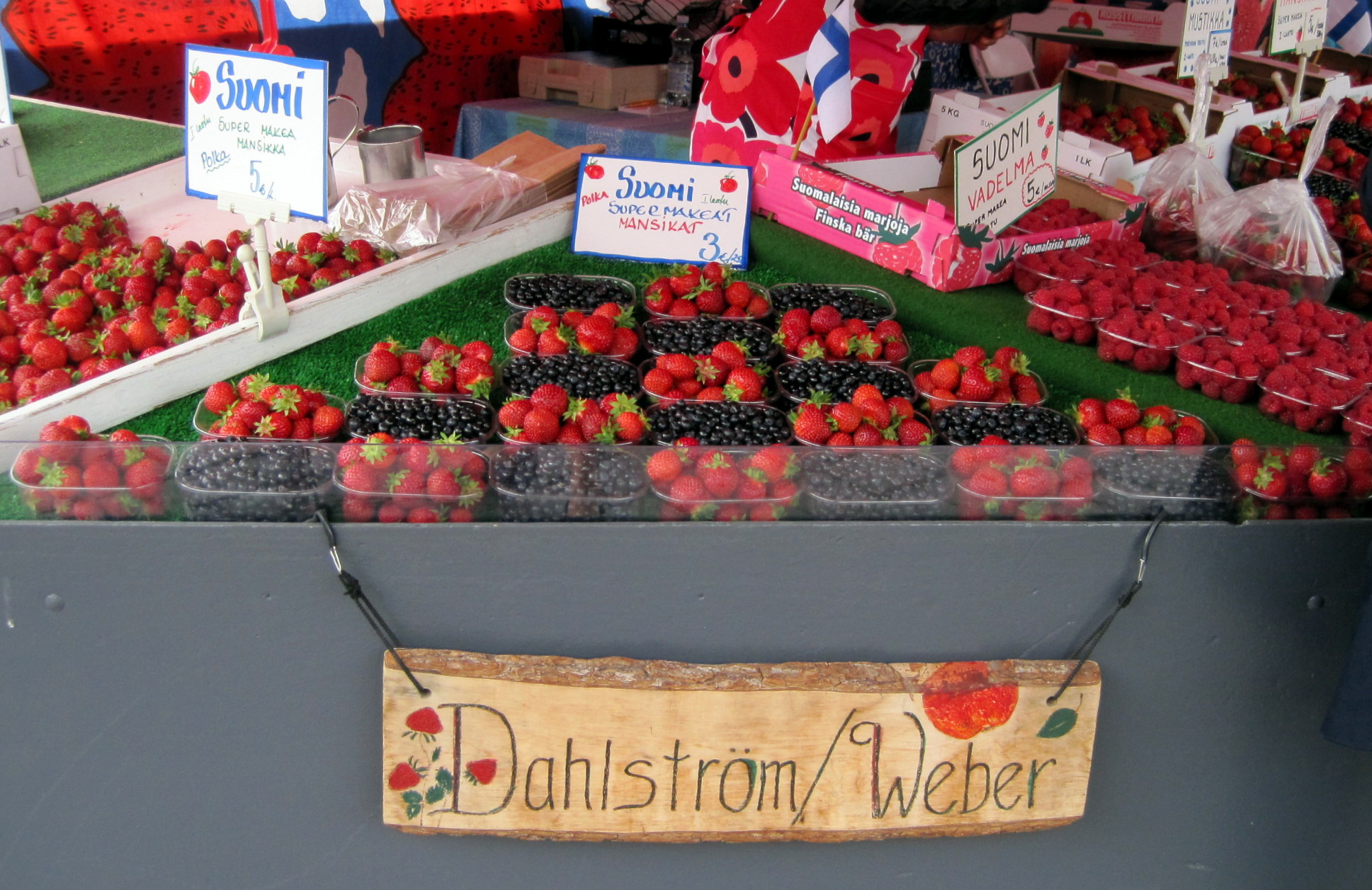
Blueberries and Strawberries

Blueberries and Strawberries

Berries were labeled by origin, and Finland (Suomi) appeared to dominate the blueberry suppliers, although there was signage for Spain as well (although probably referring to strawberries).

Blueberries and huckleberries are scientifically distinct species, however the term is often used interchangeably, particularly when the menu writer wants to make a dessert sound sexier than a variation on breakfast fruit.

Native to North America, blueberries are now cultivated world over, including in Europe, where they are more popular than similar, but unrelated, natives. Why? Who knows, but it may have to do with the ease of cultivation of the American fruit.

Cultivated and Wild Blueberries

Cultivated and Wild Blueberries

The Finnish consumer could choose between the familiar, slightly larger, sweeter cultivated blueberry and the tarter little wild berries, something we only encounter if we live near a patch. The latter make the best pies, jams and such, more flavorful than the commercial berries with the extra acidity offset with sugar.

So Easy Blueberry Pecan Crunch

So Easy Blueberry Pecan Crunch

Check this link for an excellent recipe, Jean Anderson’s So Easy Blueberry Pecan Crunch from her latest book, “Crisps, Cobblers, Custards & Creams” (Houghton Mifflin Harcourt, 2016). You will enjoy reading the article, too!

http://www.newsobserver.com/living/food-drink/article84998952.html#emlnl=morning_newsletter

A taste of blueberries came recently at Wallse, an Austrian restaurant in Manhattan’s Greenwich Village: A blueberry compote hidden under clouds of meringue in their outstanding Salzburger Nockerl, whose name derives from the Italian “gnocchi”, for the dumpling-like beaten egg whites. (Long time readers of myMEGusta.com may recall the story of another meringue dessert, Floating Island : https://mymegusta.com/2014/02/19/least-favorite-food-most-favorite-dessert/ )

Salzburger Nockerl

Salzburger Nockerl

Restaurants for Literally Great Food

One of myMEGusta’s favorite things is to find historically significant restaurants which have kept their character and not turned into tourist traps. It is especially fun when they not only played a role in real life, but when they have turned up in historical fiction, whether written, televised or in films.

restaurants casino royaleDuring a recent drive in seaside Estoril, Portugal, we went by the Casino at a distance. “So what”, said myMEGusta to herself, then the guide explained that this little seaside city played a big role in World War II, when Portugal was neutral, and this was a hotbed for spies and other action. Ian Fleming was among the players, and this Casino was the model for Casino Royale, the first of the James Bond novels. We will speculate that the food there was (and is) expensive and fancy, but not designed to distract the guests from the business at hand (losing their money).

After numerous visits over many years, Rules (allegedly the oldest restaurant in London, established in 1798, and close to Covent Garden, home of the Royal Opera) is still a myMEGusta favorite. It’s the place for traditional British food, perfectly prepared to old standards, set in surroundings that never change, and just as elegant as when Downton Abbey characters went there on several occasions in the 1920s.

Suckling Pig at Rules

Suckling Pig at Rules

On a recent visit, myMEGusta enjoyed a perfect portion of suckling pig, the skin crackling (and not at all chewy) atop fork tender meat, served with applesauce and a little salad on the side. She watched people at the next table tucking into what appeared to be steak and kidney pie, not exactly what it looks like in your average pub.

Speaking again of suckling pig, when reading “The Heart has Its Reasons” by Maria Duenas, myMEGusta found herself at Madrid’s Casa Botin, supposedly the world’s oldest restaurant (established in 1725) where the specialty is little piggy as well as roasted baby lamb. This venerable institution also appears in “The Sun Also Rises” and other literary works too numerous to mention.

Botin

Botin

During a visit in the 1990s, myMEGusta was able to wheedle a look into the room where Casa Botin’s roasts sit after coming out of the giant wood burning oven, awaiting delivery to the hungry patrons. Her 2013 piggy portion was just as good as remembered. The gazpacho, a perfect appetizer on a hot summer’s day, was excellent, too.

Gazpacho at Botin

Gazpacho at Botin

Suckling Pig at Botin

Suckling Pig at Botin


Happy National Doughnut Day, June 3!

Or, let’s call it National Doughnut Festivus, and celebrate all weekend long!

Happy Doughnut Day!

Happy Doughnut Day!

It’s like a Hallmark holiday, created by the Salvation Army giving out doughnuts to soldiers to World War I soldiers, but perpetuated by people who want to sell us something. But, who cares when it’s about doughnuts!

As a public service, myMEGusta is happy to share a link to the Huffington Post’s excellent summary of special doughnut deals all over the country: http://www.huffingtonpost.com/gobankingrates/national-donut-day-deals_b_10223296.html

The concept of fried dough dates from time immemorial, and goes across myriad cultures (think of Native American fried dough in the Southwestern US, or of Chinese fried wontons).

According to Wikipedia, although they won’t vouch for accuracy, the first written appearance of what we consider the modern doughnut (“dow nut”) appeared in 1800, the “Hertfordshire nut.” This also stands for the Hertfordshire National Union of Teachers, so the whole story may be spurious, a practical joke that someone started on the internet.

Doughnuts!

Doughnuts!

Whatever their history truly is, doughnuts are delightful and their variety is endless.

Raised versus cake? Round or holes or twisted crullers? Are the crullers made of cakelike batter or of éclair pastry? Filled? Glazed or cinnamon sugar or powdered sugar or icing? Chocolate? Cronuts? Beignets in New Orleans? Round or holes or twisted crullers? Are the crullers made of cakelike batter or of éclair pastry? Cronuts? Mini-donuts at state fairs?

Beignets at Café du Monde in New Orleans

Beignets at Café du Monde in New Orleans

Where myMEGusta lives, in New England, there seem to be doughnut stores on every other corner, whether Dunkin’ Donuts or Donut Delight or whatever. (The alternate corners house pizza shops.)

A favorite taste memory is the steaming hot doughnuts fresh from the fryer at in seaside Maine, many years ago. Au natural, they didn’t need any sugar or other embellishments.

Doughnuts!!!

Doughnuts!!!

Being something of a doughnut purist, myMEGusta draws the line at sandwiches made by putting fried chicken or bacon inside a sliced sweet doughnut, although this sweet/salty confection might be just as delicious as chocolate covered bacon, which sounds dreadful but is actually wonderful.

Tea Misunderstood

Think those little three-tier racks of sandwiches and scones and petit fours at fancy hotels are all about traditional High Tea? Or the British aristocracy, for that matter, at least in history?

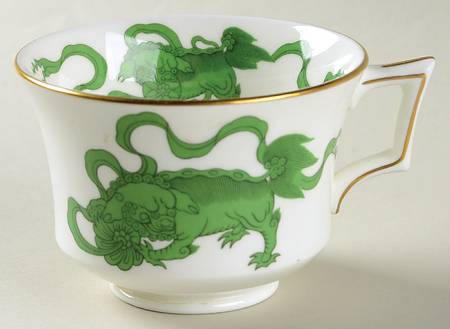
Modern Take on a Chinese Teacup Design

Modern Take on a Chinese Teacup Design

Forget it. Wrong on both counts.

Tea expert Caroline Hope, owner of the “A Magical World of English Tea Time” tour and tasting organization in London, http://www.teaandscones.co.uk , recently spoke about the origins of the tea culture in Britain at Edible London, a four day gastronomic fest sponsored by Les Dames d’Escoffier London, http://lesdameslondon.org/.

The “tea time” culture actually originated in the 1700s at the time of the Industrial Revolution.

Tea Pot

Tea Pot

Prior to that, the aristocracy had been early adopters of the hot new beverage suddenly being imported from China, but this was, by no means, a national pastime. We think of tea as an inexpensive, easy beverage, but that was hardly the case when it was first imported to Europe.

The newly minted commercial class was anxious to mimic the landed gentry, so they started to adopt their customs. They began imitating the custom of offering tea to their guests, very much showing off that they were people of means who could afford this exotic beverage.

Silver Tea Service

Silver Tea Service

Royalty and the really old money had beautiful tea sets, including sterling silver serving pieces and porcelain pots and cups imported from China. The nouveau riche had lovely English made porcelain with Chinese designs, often blue motifs on white, and all young brides wanted a tea set for their new homes.

Unwritten rules emerged that separated the well bred from the gauche: Only the lady of the house was allowed to touch the tea service, never a guest. The tea kept coming unless the guest’s spoon was put into the cup (or the cup placed upside down, which sounds odd by modern standards). Many a French and American guest landed in hot water for not knowing these things.

People would have served guests a tea compatible munchie, maybe a cucumber or watercress sandwich, with the beverage, but that was not the point. This was not a meal, it was an opportunity to socialize and show off the silver and porcelain.

The (wonderful) notion of scones and clotted cream with tea was regional, and they never would have appeared with other distractions such as those little sandwiches or cookies or petits fours. And, the goodies never would have come out on a tiered stand, the type we love so much at “tea time”.

Afternoon Tea

Afternoon Tea

High Tea is probably the most misunderstood concept.

In the past, High Tea had nothing to do with a fancy and expensive afternoon outing where one sips daintily and indulges in a huge array of fancy pastries. It simply referred to supper (a light evening meal that happens to be served with tea).

When you think of High Tea, think of granny saying to a little kid “Eat your tea!,” not of the Dowager Countess with her pinky sticking out. Or, at least remember the old meaning when you put on a fancy hat and accept that invitation to High Tea at the Ritz.

The Dowager Countess at Tea Time

The Dowager Countess at Tea Time

Land Ho! Pineapples!

Pineapple Greenhouse in the Azores

Pineapple Greenhouse in the Azores

On a recent trip to the Azores (yes, those Portuguese Islands in the middle of the Atlantic Ocean), myMEGusta was surprised and delighted to stumble upon, of all things, a pineapple plantation.

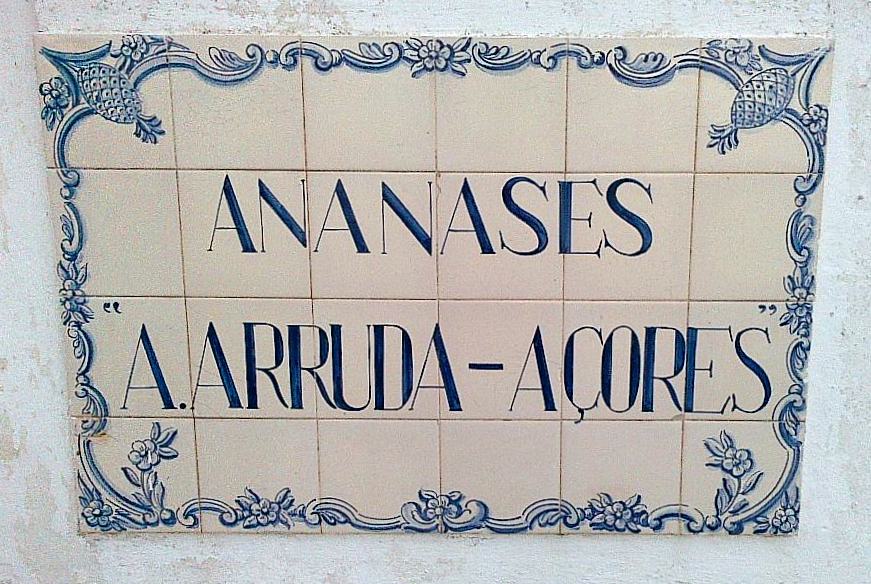
The Arruda Pineapple Plantation

The Arruda Pineapple Plantation

And this, of course, reminded her of the delicious ways in which this fruit, not the most user friendly, can be enjoyed. A personal favorite is dead ripe pineapple, just by itself, sweet and tangy at the same time, au naturel. For delicacies like pina colada (that calorie laden beverage of pineapple and coconut), you’re actually better off opening up a can rather than going to the trouble of making fresh juice.

Pineapple Upside Down Cake

Pineapple Upside Down Cake

Another popular pineapple dish is pineapple upside down cake, which dates from the early 20th century when the Dole company started canning pineapple rings and used this idea to promote purchases.

It can be challenging to find pineapples worth the time and hassle in supermarkets. The traditional pineapple has the best potential to ripen to perfect sweetness, but you’ll rarely find a properly ripe one (look for yellow skin, avoid green ones), and they don’t ripen once picked and shipped, so no amount of counter time will ameliorate the situation.

A new breed of pineapple, called “Golden”, has been marketed for several years. While the flesh is a prettier color, and they are certainly OK, myMEGusta finds that they never achieve the flavor complexity and sweetness of an old fashioned one.

It’s a chore to trim a fresh pineapple, getting rid of all those bumps and spines, and it can feel very wasteful, but, if the fruit is at peak, it is worth the trouble. The intrepid look up the process on the internet, and give it a shot, perhaps taking more care in trimming the eyes and such than some on line examples.

Baby Pineapples

Baby Pineapples

Pineapples can also be grown from the trimmings of that fruit you brought home, but it’s time consuming (think years), more a venture to do for fun than to get your next meal.

Pineapple Door Knocker

Pineapple Door Knocker

New England sea captains would bring pineapples home from their journeys, starting the custom of a pineapple image on the front door meaning hospitality. (“He’s home! Come in and have some fruit!”)

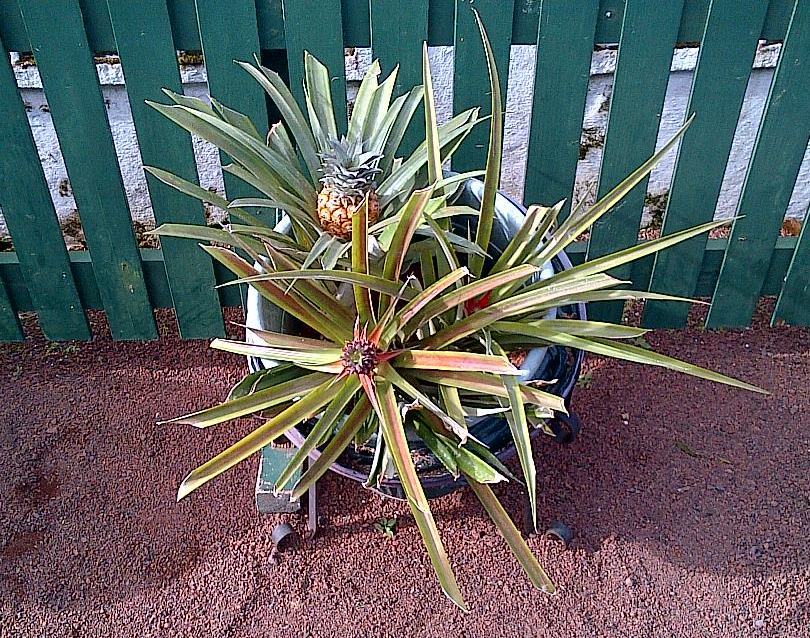
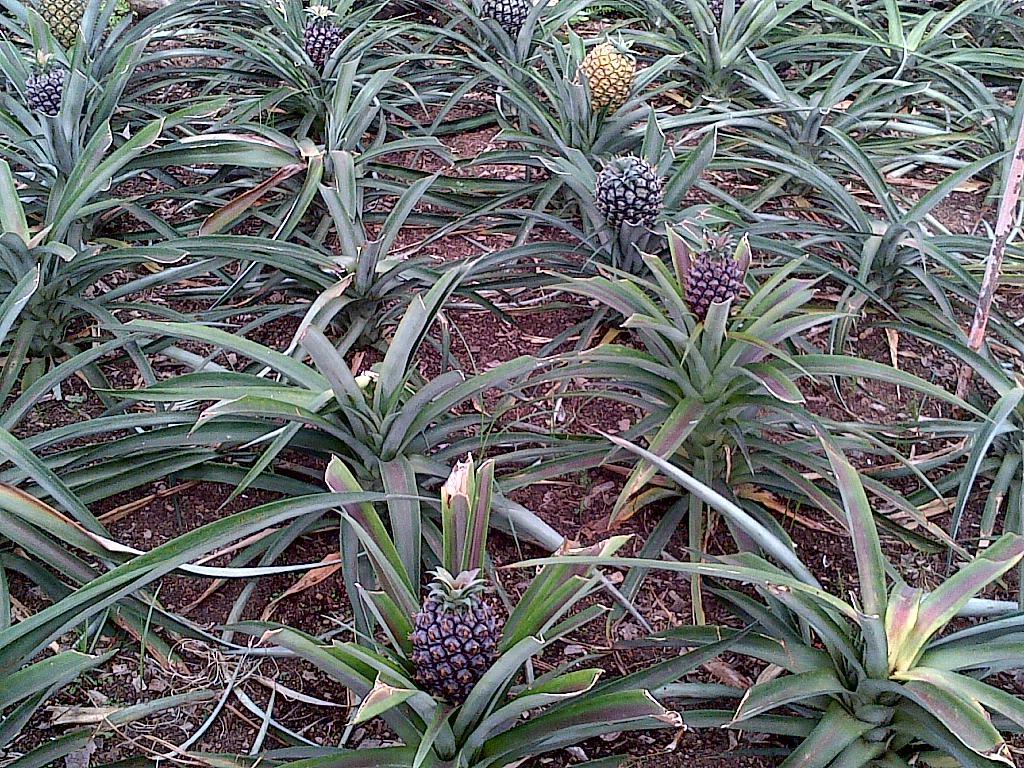
But, getting back to the Azores, unlike the pineapple growing areas we often think of, e.g. Hawaii and Costa Rica, these fruits are farmed in greenhouses through a long process which involves starting baby pineapples from roots, then transplanting them to grow and ripen indoors.

Pineapple Greenhouse Getting Whitewash

Pineapple Greenhouse Getting Whitewash

When the fruits reach proper size, they are given a dose of smoke, which causes them to ripen quickly, at which point they are ready to ship throughout Europe.

Growing in the Greenhouse

Growing in the Greenhouse

Having originated in South America, pineapples were among the fruits and vegetables the earliest explorers brought across the Atlantic to their kings, queens and other benefactors.

It is amusing to think that the pineapples in those greenhouses could be descendants of the first ones which made the crossing on tiny, wind driven sailing vessels which routinely stopped in the Azores as a stepping stone on the way home.

Skate: From the Ridiculous to the Sublime

Have you ever heard the old saw about unscrupulous fishmongers stamping fake scallops out of skate?

Mercado San Miguel in Madric

Mercado San Miguel in Madric

Don’t believe it. Anyone who has ever tasted (delicious) skate knows that the texture is totally different, not to mention the flavor.

skate madridIt’s an unattractive fish, when seen “on the hoof”, for example when encountered in Madrid’s Mercado de San Miguel market.

By the time it appears in American markets, or as seen here in Venice’s Rialto market, or on plates, it looks like a fan, not bizarre at all.

Skate Wing at the Rialto Market in Venice

Skate Wing at the Rialto Market in Venice


Enjoyed around the world, skate is best known here in the classic French preparation, sautéed and drizzled with beurre noir (darkly browned butter to which lemon or vinegar has been added, perhaps with parsley and capers as well).

Skate au Beurre Noir

Skate au Beurre Noir

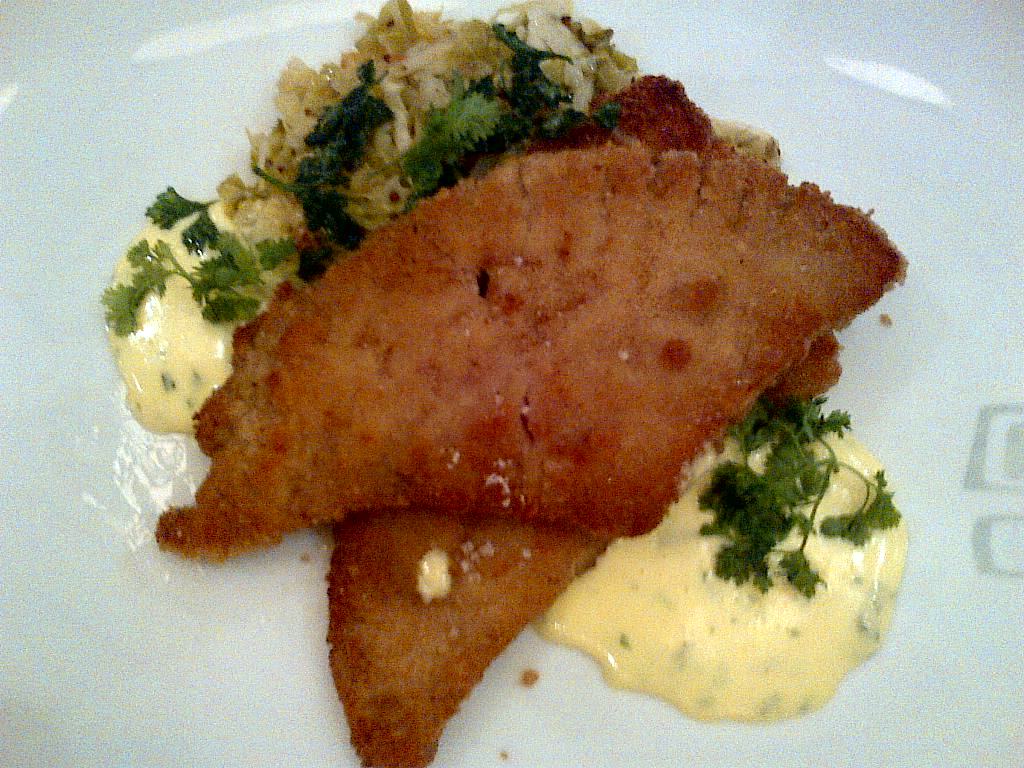
A creative version appeared recently on the prix fixe lunch menu at Manhattan’s db Bistro Modern: Skate Weiner Schnitzel style, served on a bed of braised cabbage with mustard seeds with a chervil scented Bearnaise sauce . It was really tasty, and the myriad flavors made this seafood dish taste very Germanic.

Skate Schnitzel

Skate Schnitzel

In Asia, you’ll find skate in a few guises, notably seasoned generously then wrapped in a banana leaf and grilled, or steamed then served with spicy sauces.

Skates and sharks are both members of the Elasmobranchs family, meaning that they have cartilege instead of bones. Skates (sometimes called ray or raie) are not the same as notoriously dangerous sting rays or electric rays, although they resemble each other very closely, at least to the untrained eye. So, fishermen friends, if you hook one, release it rather than taking chances on getting injured.

The best place to catch this delicious fish is at the seafood store or in a good restaurant.

What’s Easter Without Eggs?

Now, THIS is an Easter Egg!

Now, THIS is an Easter Egg!

As regular myMEGusta readers know, this refers to big chocolate ovoids, uni sushi and caviar, not the things that come from chickens which do not please her at all.

But, they’re still an interesting subject, so long as myMEGusta doesn’t have to face a sunny side up thing staring at her.

There are classic egg dishes that even egg haters will love.

Chawan Mushi

Chawan Mushi

Think of the wonderful Japanese dish, chawan mushi. This silky smooth, steamed custard comes in a little cup, scented with mirin (a slightly sweet, low alcohol sake), dashi (Japanese fish stock) and little garnishes, like ginko nuts, mushrooms and tiny shrimp and/or fish. It tastes of Japan, not of eggs.

Coconut Cream Pie

Coconut Cream Pie

Sweetened custards can also be delish. Coconut custard pie is a real standout, tasting of coconut strands inside the creamy custard, with a totally different taste and texture provided by crisped coconut on the top.

Souffles would not exist if not for eggs. Properly made, they don’t taste of egg at all, rather of cheese or broccoli or chocolate or Grand Marnier, whatever. Savory souffles stand on their own, but dessert souffles often come accompanied by a sauce (perhaps a vanilla scented crème anglaise) or fresh berries plunked in the middle.

Cheese Souffle

Cheese Souffle

Incidentally, there is no reason to be intimidated by the idea of making a soufflé at home. You need two things: straight sided bowl (or cups) to cook it in (so it has some support as it fluffs up) well lubricated (and floured or sugared) so it won’t stick on the way up, and a good recipe that you follow to the letter (not that difficult, just not a place to experiment).

Frozen Souffle

Frozen Souffle

Frozen “souffles” have nothing to do with eggs. They are simply still frozen ice creams that are placed in cups with paper collars attached, stirred occasionally so that ice crystals don’t form. When it freezes solid, you remove the collar and it appears to have risen.

Back to the subject of poultry eggs, you’ll find a really interesting type in London’s Smithfield market: tiny seagull eggs. They wholesale for 3 pounds 80, and recently retailed on line for 6 pounds 50. That is $9.17 per egg. Collected by people who are specially licensed to gather them on ledges in Devon, in the southwest of England, most of them end up in gentlemen’s clubs, soft boiled with celery salt. No, myMEGusta cannot comment on what they taste like.

Seagull Eggs

Seagull Eggs

Another interesting travel take on eggs was in Hong Kong in the 1980s, on Egg Street, an alleyway devoted exclusively to sellers of eggs in all shapes and sizes, including embryos of various ages. MyMEGusta didn’t taste this either. Alas, time marches on, and Egg Street was razed for the construction of the wonderful escalator system which now rises up to Mid-Levels. Nearby Snake Street met the same demise.

Parilla! Rodizio! More beef!

Parilla in the Pampas

Parilla in the Pampas

Many people in the United States think of Latin America, or even South America, as being a homogenous land and culture. Nothing could be farther from the truth. Think of the vast distances. Bogota and Santiago are 4000 miles apart, 1000 miles more than between Montreal and Mexico City, and we certainly don’t lump these two climates and cultures together.

Neighboring countries in South America also have their pronounced nuances. Uruguayan tango is distinct from Argentinean (It’s largely in the kicking, don’t ask myMEGusta to explain), and Brazilian samba differs from them as much as a Viennese waltz.

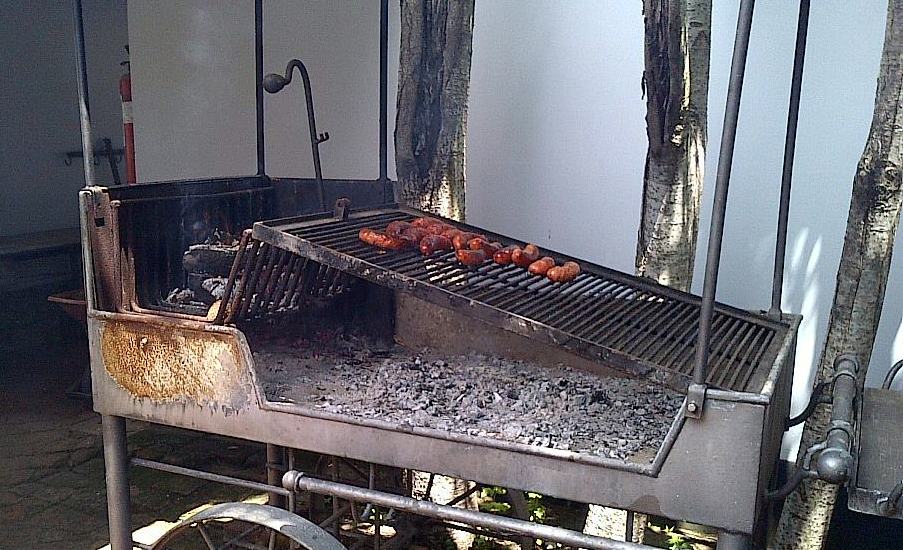
Parilla at the Narbona Winery in Punte del Este

Parilla at the Narbona Winery in Punte del Este

Of course, this also applies to foods. Take barbecue for example, looking at, and tasting, the difference between Brazilian and Argentine/Uruguayan barbecues.  (Yes, they share that as well as the tango.)

Argentine and Uruguayan barbecue is a lot like you’ll find in Spain, no surprise given that these Spanish speaking countries have so many other similarities. There, meats and sausages are grilled over open fire on grills called parillas.

Parilla in the Pampas

Parilla in the Pampas

Menu options are by cut, and the meat portion is cooked to order. Two of myMEGusta’s favorites are vacio (flank steak, often available in a half portion) and short ribs. The way to get to taste a selection is to go with a group, everyone ordering something different, which they will cut into portions in the kitchen or at the table.

Parilla at Narbona Winery in Punte del Este

Parilla at Narbona Winery in Punte del Este

Recent tastings included parilla barbecues at the Narbona Winery near Punte del Este, Uruguay, and at a polo horse breeding farm near Buenos Aires, Argentina, the home of many more wonderful parilla dinners.

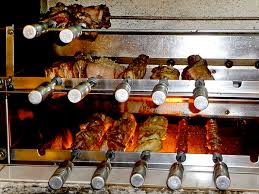
The Brazilian rodizio, or churrascaria, on the other hand, uses skewered meats and either horizontal or vertical grills. The skewers are then paraded through the dining room so that individual pieces are sliced off. They then head back to the grill to keep warm and, depending on the cut, cook some more. The name of the game is to taste as many different cuts and flavors as you can, taking an ounce of this and an ounce of that.

Rodizio

Rodizio

Skewers On the Grill

Skewers On the Grill

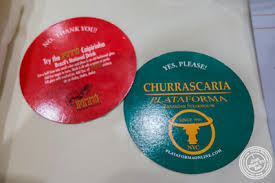
Lunch at the original Fogo de Chao restaurant in Rio was delicious; they have branches in the United States, and other places like Plataforma in New York City feature the same type of menu: skewers and a giant salad bar with everything you can imagine. Servers roam the room armed with many, many kinds of meat and sausage (and usually some plank grilled salmon). Everyone gets a disk, red on one side and green on the other. If the green faces up, every roving skewer will be offered to you; if on red, they walk on by.

Here, the green side is facing up!

Disks

Disks

Today’s Delicious New Word: “Empanar”

At a polo horse ranch in the Pampas, near Buenos Aires

At a polo horse ranch in the Pampas, near Buenos Aires

Every culture, seems to have some variation on the notion of a crispy pastry surrounding cooked treats of some sort, whether seasoned meat or seafood or cheese, or savory vegetables. In Spanish, “empanada” is the word for “covered in breading or pastry”.  On a recent trip to Latin America, myMEGusta enjoyed many, many empanadas.

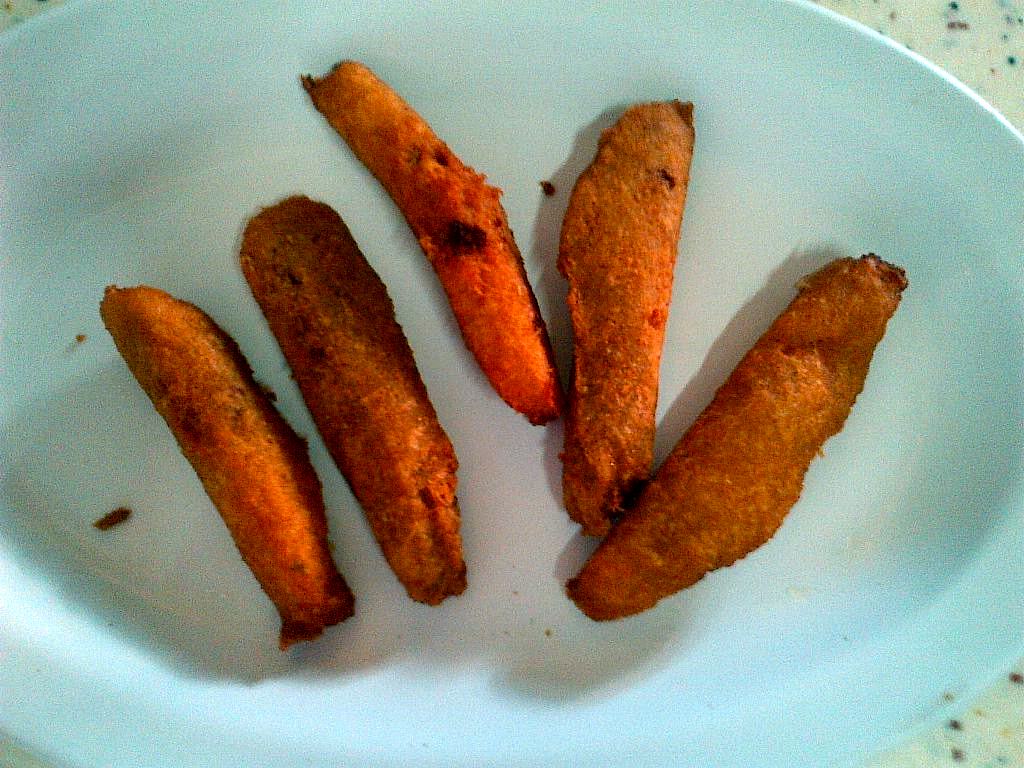
Yucca empanadas in Old San Juan

Yucca empanadas in Old San Juan

The first encounter was in San Juan, at a “local” (vis: non-touristy) restaurant in the Old Town. Among the selection of small dishes was yucca empanadas, deep fried chunks of the root vegetable (also known as cassava) which were delicate on the inside and perfectly crispy on the outside. What a treat!

Farther South, first in Punta del Esta, Uruguay, then ubiquitous in Buenos Aires, Argentina, were the classic empanadas. Like every beloved food of a country, the variations were infinite, in terms of fillings and the textures of the outer pastry, although all were delicious, steaming hot on the inside and baked crispy on the outside. Favorites of myMEGusta were at Cabana Das Lilas in the Puerto Madero district of Buenos Aires and at a polo horse ranch in the Pampas, a few hours out of town.

Empanada at Cabana Las Lilas in Buenos Aires

Empanada at Cabana Las Lilas in Buenos Aires

For a taste of authentic empanadas in New York, you will find an astounding variety at Empanada Mama.  https://empmamanyc.com/cateringmenu.php And, they deliver!

Char Sui Soh

Char Sui Soh

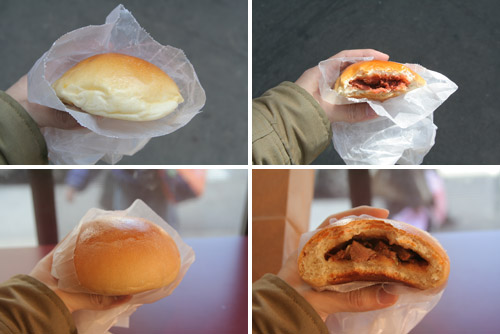
We don’t normally think of this kind of food as a Chinese treat, but there they were at a recent Chinese New Year Festival banquet: char sui soh, richly flavored barbecued pork encased in a shatteringly thin pastry crust (similar to the steamed roast pork buns more frequently found on a dim sum cart).

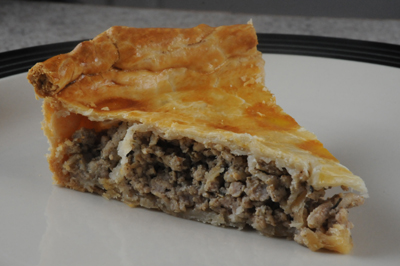
Then there is tourtiere, the French Canadian meat pie which is a wintertime staple, and was the family’s traditional Christmas Eve treat: subtly seasoned ground pork encased in a shatteringly crisp crust, made by my grandmother the old fashioned way, with lard.

Tourtiere

Tourtiere

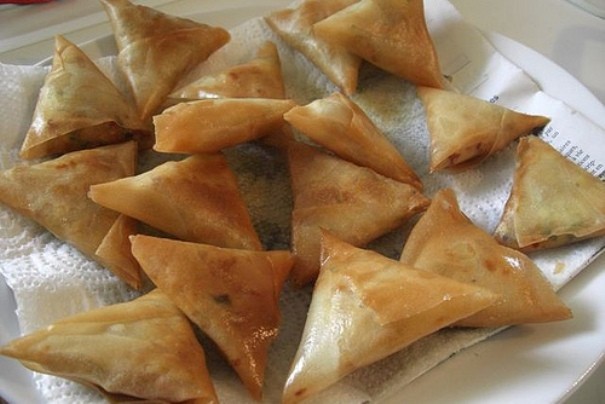
Traveling to Morocco, we find briks, baked phyllo dough triangles with savory stuffings, and bisteeya, a phyllo dough pie, golden brown phyllo leaves encasing spicy stewed chicken or other goodies.

Briks

Briks

The most recent incarnation of tourtiere at myMEGusta’s house incorporated the best of these two worlds: a phyllo pie made with tourtiere meat, a delicious fusion of Canada and Africa. Alas, this occurred a long time ago, before cell phone snapshots in the kitchen, so you’ll just have to take her word for it!

Post Navigation