myMEGusta

Named for things that please me (“me gusta” in Spanish) and rhymes with balabusta (Yiddish for “good homemaker”).

Two Andouillettes in Four Days!
Andouillette at La Mascotte

Andouillette at La Mascotte

Andouillette at Brasserie Balzar

Andouillette at Brasserie Balzar

Yes, this is why MyMEGusta travels to places like Paris, to have treats that are virtually impossible to find in the United States, and to enjoy them in more than one restaurant.

(They have museums, too! Something to do between meals!)

This dish is not for everyone, but for those who love these rustic French sausages, they are worth the journey. An unusual twist this time, never previously encountered, was when one waiter asked how I wanted it done. Because they are precooked, it really doesn’t matter if the andouillette is served ‘rare’, but thoroughly heated is myMEGusta’s choice. One time it came with mashed potatoes, the current rage in Paris, and the other with the more traditional pommes frites.  They were different, and they both were delicious.

Now, we’re not talking about andouille – either the French kind (a large sausage served cold, thinly sliced) or the classic Cajun spicy/smoked sausage that originated in New Orleans and has nothing to with the andouillettes other than the French heritage of its name. More later about these tasty sausages. And, we’re not talking about Chitterlings (chit-lins), pig intestines, well known and loved in the South, and also found on the occasional (very authentic) Chinese menu, usually as an appetizer.

French Andouille, the Cold Cut

French Andouille, the Cold Cut

An andouillette is, quite simply, a sausage stuffed with seasoned chitterlings. They are tender but toothsome, gently gamey in flavor, and with seasonings that vary regionally and by chef.

AAAAA is for Andouillette!

AAAAA is for Andouillette!

We love the French affinity for highly organized quality control, sometimes tongue in cheek. In 1970, a group of journalists formed a society (The Friendly Club of Lovers of Authentic Andouillette) to salute this delicacy and recognize the best producers, so look for the AAAAA on the menu when sausage seeking.

To get andouillettes, you either have to get on a plane or produce them yourself, and myMEGusta used to make them, a huge production, but worth it when the next trip to France was years off: clean and poach the pork intestines a very long time until completely tender, cool, chop coarsely, mix with sautéed onions/mustard, whatever, stuff into casings, poach again. Because it’s precooked, it just needs to be heated through, usually grilled, broiled or pan fried, and this adds flavor to the exterior.

For my MEGusta, the first encounter with anything at all like an andouillette was many years ago when she was being hosted for dinner by someone who insisted that the menu be “what real French people eat”, and the  main course was a blob of poached pig intestine in a pool of (delicious) sauce. The flavor took a few bites to get used to, but by the end of the meal, she was hooked.  This dish has never surfaced again, anywhere, back then or in the decades since, even on the internet. So much for “what real French people eat.”

Until the next trip to France, MyMEGusta will have to be satisfied with other things.
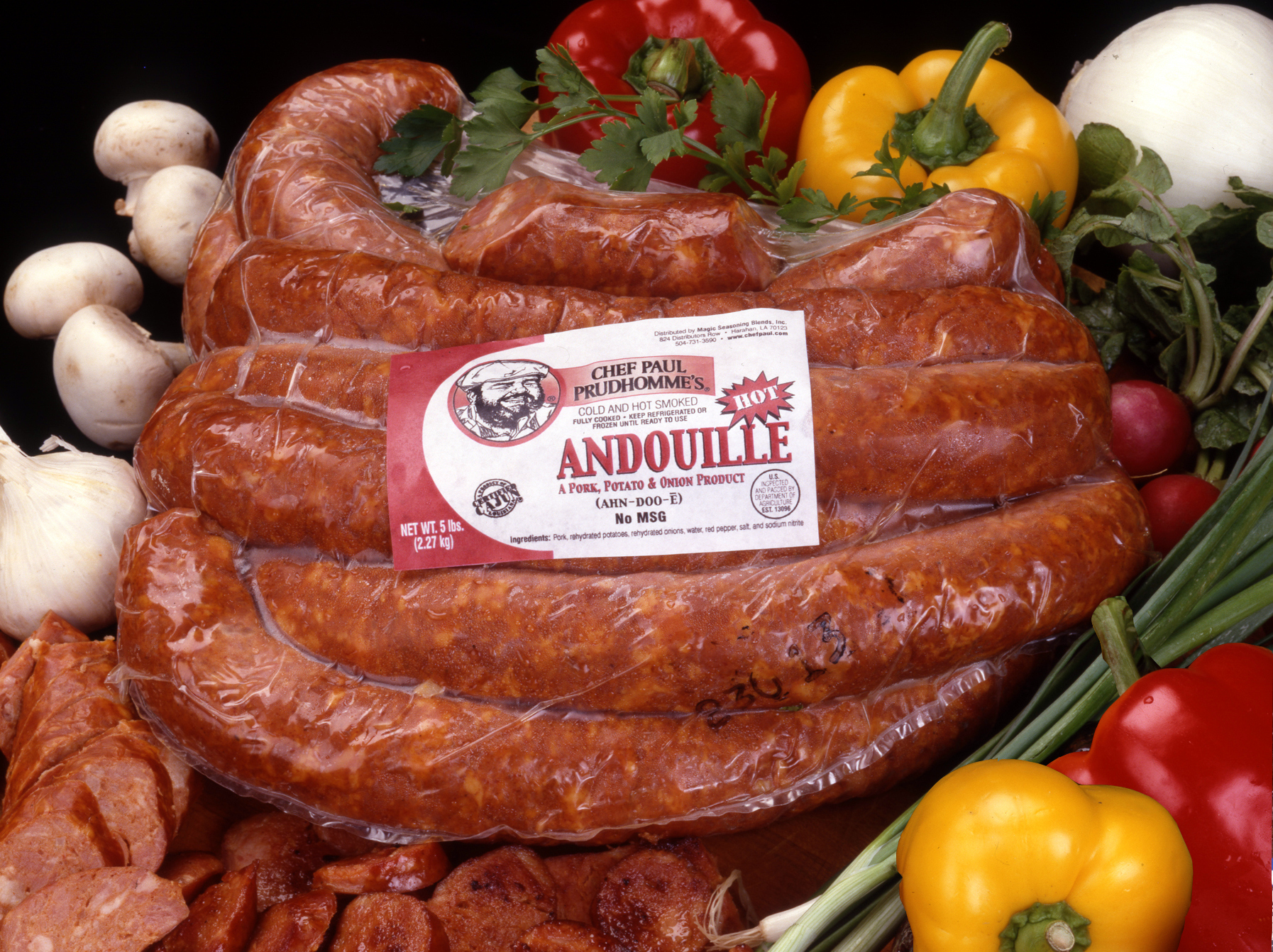
Cajun Andouille

Cajun Andouille

She may have to make a research trip to check out authentic Cajun andouilles on site, and have “A Smokin’ Good Time” at the 41st Annual Andouille Festival  at the St. John Community Center in La Place, Louisiana!

Food

Lime$

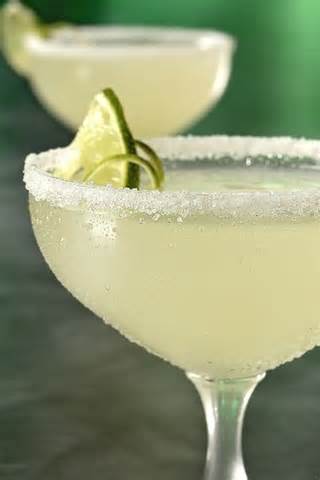
It’s the perfect storm for lime lovers:  An unprecedented shortage is hitting just as we approach the biggest margarita holiday of the year, Cinco de Mayo.

Margarita on the Rocks

Margarita on the Rocks

Margarita

Margarita

The news media is abuzz about the price of these little greenies. Frequent fliers are moaning about the demise of wedges of lime for their airborne gin and tonics.  Consumers at the grocery store are in green sticker shock. According to United States Department of Agriculture data, the retail price of a lime has nearly doubled versus one year ago, the highest point of every year due to the holiday demand.

Why?   It’s a new case of Montezuma’s revenge.

Mexico supplies about 95 – 97% of the limes used in the United States, and their groves were hit with rains and disease, so the growers agreed to take prices up. Florida and California, the other two major sources, have had weather issues.

So, what’s a lime lover to do? Or a top quality Mexican restaurant?

Barbara Sibley, chef owner of Manhattan’s La Palapa (www.lapalapa.com) is addressing the problem by being extra creative:

“La Palapa is known for our fresh lime margaritas, so I really can’t change the recipe.

“What I am doing is not using limes to garnish — if guests would like an extra lime to squeeze into their drink we are happy to provide it.  We have reduced the limes we cut for garnish from three cases a week to one. Amazing how much must be wasted on a regular basis! Essentially limes have gone from being a garnish that is inconsequential to the food cost of the dish to an integral part of the food cost.

No Lime Hibiscus Margarita

No Lime Hibiscus Margarita

“Other ways I am dealing with it is the opposite of “when life gives your lemons make lemonade.” Instead of using limes, I am using alternate ways to provide tartness in cocktails.”

La Palapa has a range of non-traditional margaritas made tart with hibiscus, passion fruit, tamarind or nopal cactus juice, and the recipes are unsweetened, in perfect balance. Wild Hibiscus Heart Tea is pure hibiscus if trying this at home.

So stick with restaurants like La Palapa, who are not going to compromise with an ersatz sour mix for their beverages.

For G & T, use a wedge of lemon instead of the lime, like the Brits do. Jolly good, by the way. (The nickname “limeys” for the English whose olden day sailors consumed limes to prevent scurvy is quite ironic here).

Key Lime

Key Lime

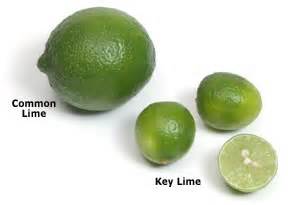
Substitute Key limes in your recipes.  What we simply call “limes” are also known as “Persian limes”, as opposed to the smaller, more acidic “Key limes,” best loved for the delicious pale yellow confection, Key lime pie.

Although normally higher in price than regular limes, their prices have not escalated in recent days. You may need to up the quantity of Triple Sec in the margarita to balance the higher acidity. Or you can forget the cocktail and just make a nice pie.

http://allrecipes.com/Recipe/Easy-Key-Lime-Pie-I/

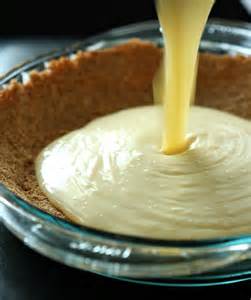
Key Lime Pie

Key Lime Pie

Making Key Lime Pie

Making Key Lime Pie

The Grand Budapest…..

..Eating Vacation!

The Grand Budapest Hotel is a delightful Mittel-European pastry of a movie, just long enough, just silly enough, with a very fine cast (including beautiful baked goods) and enough of a plot line to hold one’s interest. But, most importantly, it reminded MyMEGusta of her visit to Budapest a few years ago, and all the wonderful food.

Veal Paprikash with Cucumber Salad

Veal Paprikash with Cucumber Salad

Situated on the Danube, this is the marriage of two cities, Buda and Pest, and it drips with Old World charm, although as it becomes more cosmopolitan and a tourist destination, it will surely be affected by Starbucks- and McDonalds-creep. Eminently walkable, Budapest also has an excellent subway and streetcar system, easy to get around.

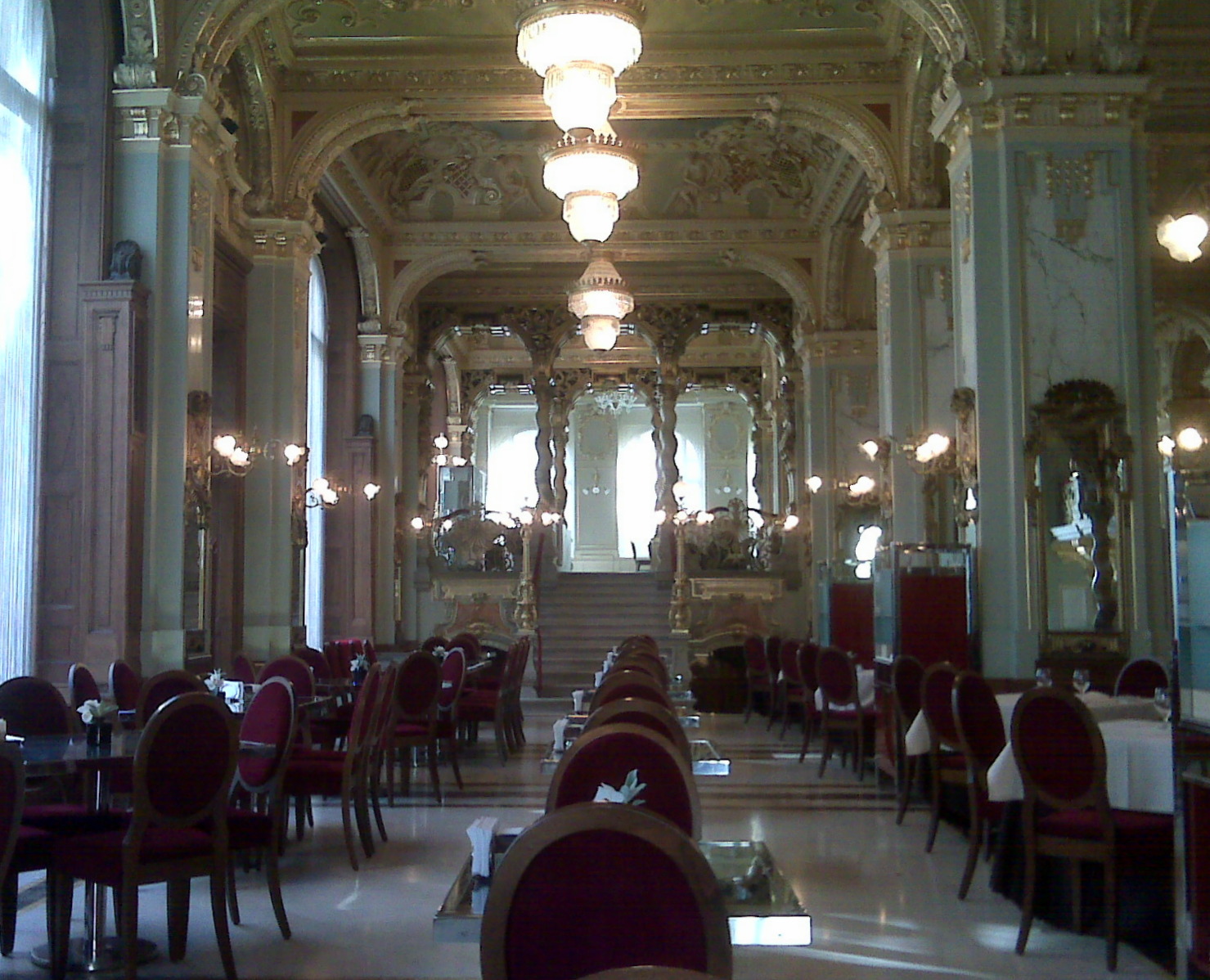
New York Cafe

New York Café

Breakfast at the New York Cafe

Breakfast at the New York Cafe

And, with the proliferation of old-fashioned coffee houses, like in Vienna, you’ll need the walk.


There is also the Grand Market Hall, an indoor market bursting with fresh and dried peppers (paprika) in all forms, and even a strudel stand where you watch the pastry being made by hand, then walk away with the perfect, decadent snack.

Making Strudel

Making Strudel


Strudel Fresh from the Oven

Strudel Fresh from the Oven

One can feast on traditional Hungarian fare such as paprikash with spaetlzles, often accompanied by a delicious cucumber salad. Or seek out lecso, another type of stew (traditionally made with tomatoes, yellow banana peppers and, sometimes, paprika seasoning).

Café Kor, a modest, cash only restaurant full of locals, was myMEGusta’s favorite, with delicious, hearty victuals and a daily menu posted on butcher paper.

Café Kor

Café Kor

One quandary was whether to order ocean fish in this land locked city, but those fears were unfounded, particularly when eastern European touches found their way into two excellent dishes: Grilled (perfectly cooked) salmon with horseradish/crumb topping over beets with arugula and “Meunier” cod with a dollop of celery root puree (note to self reads: “Hard to stop eating.”)

Long time readers of MyMEGusta may recall the August 4, 2013 posting, “The Red Peril,” all about paprika in its many forms, including the ubiquitous paprika pastes and condiments found all over Budapest. Check it out in the archives!

Upside Down on April Fools’ Day

It’s an upside down day, so MyMEGusta is looking at things that we take for granted that are, well, upside down.

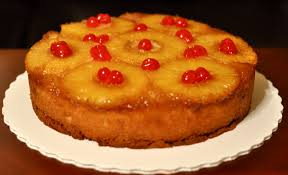
{Pineapple Upside Down Cake

{Pineapple Upside Down Cake

Pineapple upside down cake is the most obvious. But look at all the things we flip before serving, or I preparation, like pancakes.

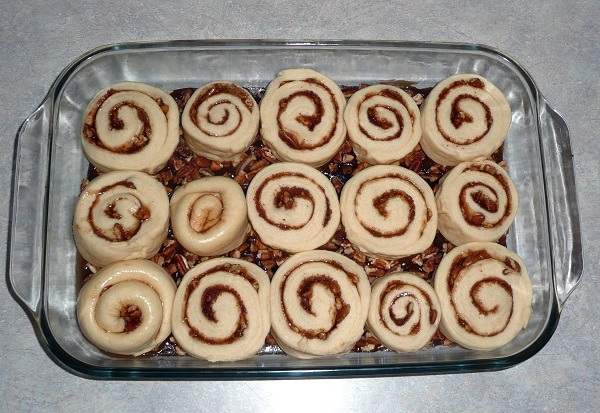
Sticky Buns

Sticky Buns

Sticky buns, if done the classic way, start with a layer of sugary caramel on which the spiraled, cinnamon laced dough bakes. At the end, flip and the little rolls are soaked in delicious sweet sauce.

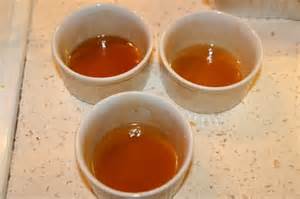
The French favorite, caramel custard (crème renversee au caramel) is another upside down treat. One of the few eggy dishes liked by myMEGusta, this is simply a baked custard, like the sticky buns, with the caramel on the bottom. When finished and overturned, voila!

Starting the Crème Caramel

Starting the Crème Caramel

Crème Caramel

Crème Caramel


Crème Caramel Ready for the Oven

Crème Caramel Ready for the Oven

But the glory of all upside down food is the Tarte Tatin, classically made with apples (use granny smiths or some other firm type), but now frequently showing up on menus made of pears, and, in the summer, tomatoes as a savory, not sweet dish.

 tarte Tatin Ready to Flip


Tarte Tatin Ready to Flip

Tarte Tatin Ready to Serve

Tarte Tatin Ready to Serve


Named for the Tatin sisters, Stephanie and Caroline, who ran the Hotel Tatin in Lamotte-Beuvron, France, in the late 19th century, this pie has the crust on the bottom, and the baked apples are soaked in that wonderful caramel sauce (and a very buttery caramel, if it is authentic).

Among the myths surrounding the tarte Tatin are that it was created by mistake when one of the sisters accidentally burned the crust, and flipped it over to hide the evidence. Another is that they didn’t invent anything at all, fruit cobblers and this type of upside down dish being typical of the Sologne region (“tarte solognote”). And, by the way, the sisters never called it by its current name; that came after their deaths when the tarte became wildly popular at chi chi places like Maxim’s in Paris.

No joke, there is no such thing as a bad tarte Tatin, but the best are not too sweet, are served right from the oven, so the crust is still crispy, and come with a dollop of crème fraiche, or whipped cream if that’s all you have, stateside.

And, don’t forget about Tarte Tatin a few months from now when your farmers market – or garden – is overflowing with tomatoes!

Tomato Tarte Tatin

Tomato Tarte Tatin


Raise Your (Eight) Hands!

For the non-octopus lovers, I’m probably losing you at “hello”, but stick around. You might just have some fun.Octopus baby tapas 2

Octopus Card in Hong Kong

Octopus Card in Hong Kong

Think of these tentacled cephalopods as clams and oysters, their relatives, but without the shells. They are odd looking, lending themselves to silliness, like the old Beatles tune, Octopus’s Garden. And to being logos, such as the Octopus card you use to ride the Hong Kong Metro system.

There are strange octopus rituals practiced in some cuisines, which may be the key to a certain texture, or just wastes of time, or even myths. Have you ever heard of people putting their octopus in the driveway and driving the car back and forth to tenderize it (attributed to the Greeks)?

Watch the wonderful film, Jiro Dreams of Sushi, and see how a master massages the octopus to get the perfect texture.http://www.magpictures.com/jirodreamsofsushi/

At Boulud Sud (NYC)

At Boulud Sud (NYC)

At Barrique (Stamford, CT)

At Barrique (Stamford, CT)


One popular way to enjoy octopus is to simply grill the tentacles with a little olive oil and lemon juice seasoning, the Mediterranean approach, showing up more and more frequently on menus. The squeamish can ask the fish monger to clean/trim the beast, so as to avoid that chore at home.

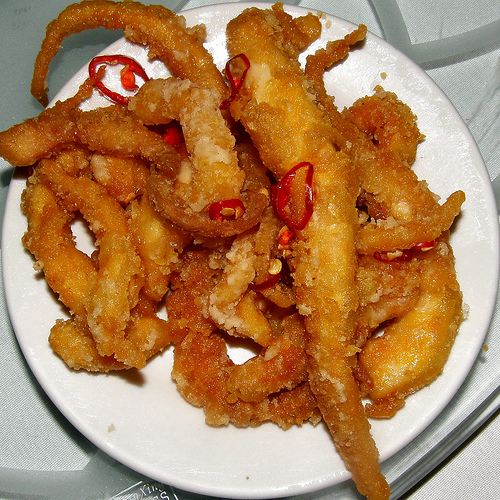
Fried Octopus with Hot Peppers

Fried Octopus with Hot Peppers

Deep fried octopus with hot peppers, such as the Chinese do with shrimp, is fabulous, too. Like squid, its close relative, octopus also makes a tasty pasta sauce.

Baby Octopus Tapas

Baby Octopus Tapas

Another delicious approach is eating the baby octopuses (actually a smaller species) whole, whether in Asian cuisines or grilled or fried as in Barcelona’s ubiquitous tapas bars.


For the truly intrepid, travel to Playa del Carmen, Mexico, for a whole grilled full sized octopus at El Diaz, myMEGusta’s favorite for Argentinean beef.

At El Diaz (Playa del Carmen, Mexico)

At El Diaz (Playa del Carmen, Mexico)

Not recommended is this faux octopus, presumably a trick to get one’s finicky three-year old to eat a hot dog and pasta, but just scary!

No. Don't do this!

No. Don’t do this!

Pomegranates: A Seedy Topic

What do the Blue Mosque in Istanbul and Sagrada Familia Cathedral in Barcelona have in common?

La Sagrada Familia

La Sagrada Familia

A connection to the pomegranate, albeit in very different ways.

For those who have not been there (or have not been there “yet”, as myMEGusta likes to say), the Sagrada Familia Cathedral is the masterpiece of Modernist architect Antoni Gaudi, a genius whose concepts were based on nature, incorporating motifs such as fruits and avoiding straight lines. Started in 1882 (Gaudi took over the design work in 1883), the cathedral is incomplete, still in construction with no end in sight.

The north facing façade of the cathedral symbolizes the sad darkness of winter, and it contains motifs of the Passion.  Look up to see fruit topped spires, piles of winter fruits such as pomegranates.

Outside the Blue Mosque

Outside the Blue Mosque

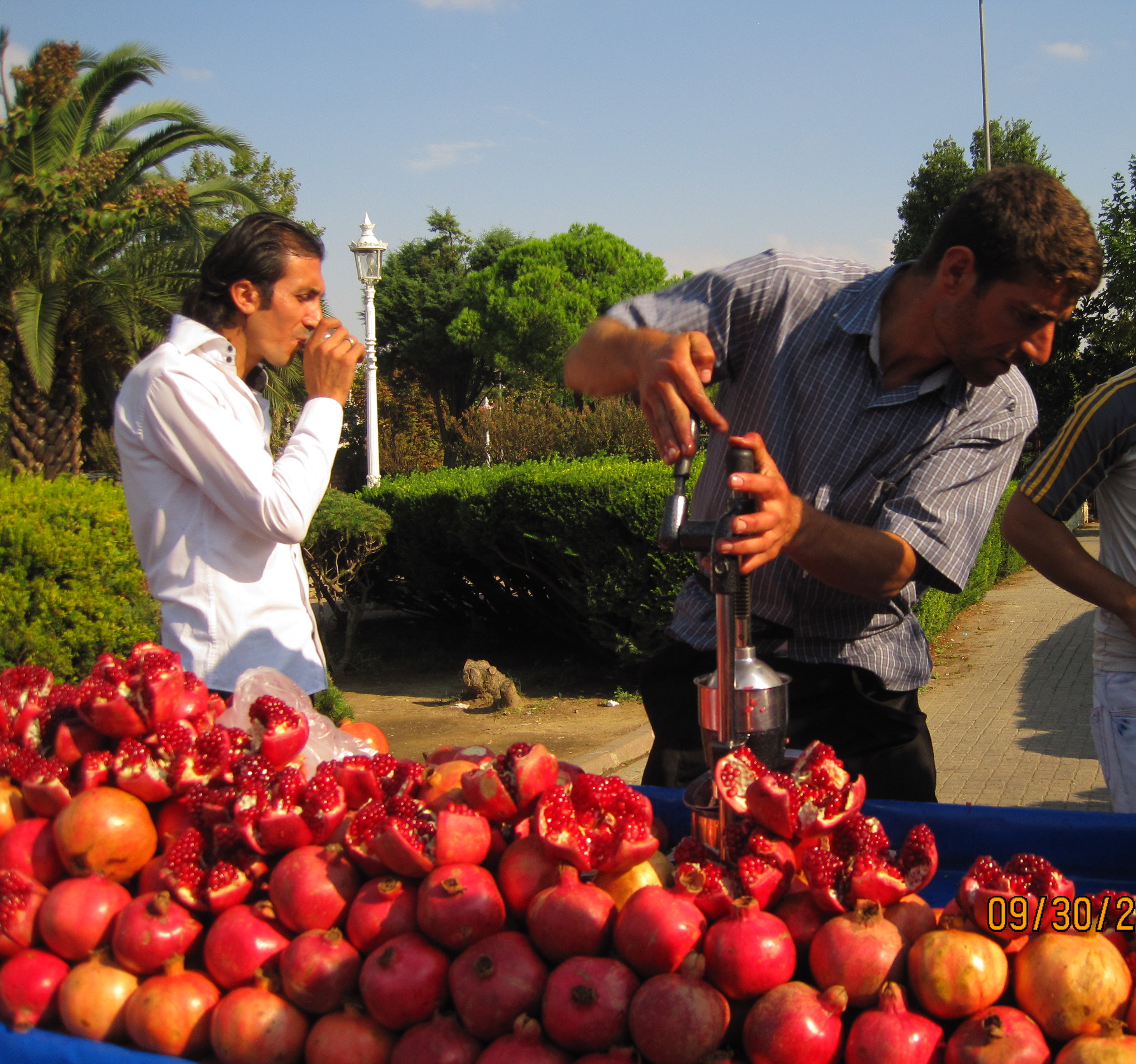
Switch to Istanbul’s Blue Mosque, another iconic religious structure. No, there are no pomegranates in the design, but there is a delightful fresh pomegranate juice stand as you approach. Freshly pressed, this is the tastiest pomegranate juice you will ever have.

Pomegranate juice became a mainstream beverage in the US about 30 years ago, and there are also pomegranate liqueurs (which myMEGusta has not sampled).

Aside from sipping on the juice, just plain, there lots of things to do with it: Add to with sparkling wine to make a kir-like cocktail, or make a pomegranate martini with vodka and a little triple sec.

Pomegranate Kir

Pomegranate Kir

For a real treat, make the trek to La Palapa, a fabulous Mexican restaurant in New York City’s East Village (www.lapalapa.com) and have one of their pomegranate margaritas!

You can also make a pomegranate sorbet or ice cream from the bottled juice.

Pomegranate Sorbet

Pomegranate Sorbet

Pomegranates

Pomegranates

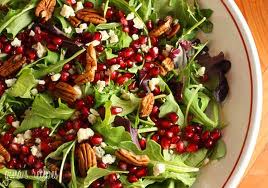
The fruit itself is a cluster of juicy seeds encased in a red rind.  Once peeled, It can be enjoyed as is, or livening  up a salad. Just don’t bite too hard, and be cautious if you should not be swallowing whole seeds

Salad with Pomegranate Seeds

Salad with Pomegranate Seeds

.

Time for Spring (Rolls)!

Spring rolls!  Summer rolls!  Eggrolls!

The names have nothing to do with the seasons, or with eggs for that matter.

Take eggrolls, a Chinese- American invention named after an unrelated pastry in Cantonese cookery. They are ubiquitous, but blessedly less so than in 1968 when “With Six You Get Eggrolls”, Doris Day’s last film, was released. It is possible to make a tasty eggroll, but that rarely happens. Restaurants usually default to factory made rolls comprising a rather clunky deep fried wrapper, normally filled with lots of cabbage and little else, dunked by many folks in sweet “duk” sauce.

Spring Rolls!

Spring Rolls!

Moving on…

Summer Rolls

Summer Rolls!

“Spring” and “summer” come from the words come from which they were translated from the original Asian language, for example Vietnamese or Thai. No matter, they are treats, and can be exquisite depending on the fillings and how skilled the frying.

The wrappers are much more delicate than eggrolls’, often made of rice flour, sometimes deep fried, and sometimes with the translucent roll wrapped around ingredients  such as shrimp and vegetables, then served cold.

In general, a spring roll can be fried or not, and served hot or cold, but a summer roll is usually cold.  A fried spring roll is generally shorter and more slender than an egg roll, but a cold rendition can be quite sizable.

Yummy with Lettuce and Thai Basil

Yummy with Lettuce and Thai Basil

They come with dipping sauces that vary by cuisine, for example, soy sauce, rice vinegar, fish sauce, peanut sauce, even mustard/chili mix, or that old-fashioned sweet sauce. They are particularly delicious wrapped in lettuce leaves and herbs such as Thai basil before dipping.

Wrappers can be found in supermarkets, and the best selection will be found in Asian markets.

Several years ago, while touring Vietnam, MyMEGusta was treated to a demonstration of how rice wrappers were made (probably still are) by villagers, basically making pancakes from a rice gruel.

Drying Spring Roll Wrappers

Drying Spring Roll Wrappers

Making Spring Roll Wrappers

Making Spring Roll Wrappers

This demo took place outside the infamous tunnels near Saigon, and this was one of the foods sustaining the thousands of people – army and civilians – hiding there during the 1960’s war.

Emerging from a Tunnel

Emerging from a Tunnel

Desperately Seeking Bouillabaisse

Bouillabaisse

Bouillabaisse

It was like a Seinfeld episode before the sitcom existed (or GPS or cell phones for that matter).

The scene was Marseille, France, and the Americans were desperately trying to get to what had appeared to be a well situated hotel, a block or so from the train station. The route spiraled out of control, driving around and around, getting farther away from the destination with each nearly concentric circle. It was the essence of you-cannot-get-there-from-here.

The big reason for being there in the first place was the famed fish soup known as Bouillabaisse, and one restaurant in particular was known to be just a little bit better at it than its many competitors in this city renowned for the dish.

When we finally broke the one-way street code and got to a phone, we were greeted with the bad news that the restaurant was fully booked.

“So sorry, Madame.”

At that point, my MEGusta went into culinary overdrive and begged the guy for a table for two, telling him that we had come all the way from America for his bouillabaisse, please, please, please.

“You must be here in ten minutes.”

Rouille

Croutons and Aioli

Croutons and Aioli

We were, and it was worth it, fishy perfection in a bowl, with all the accompaniments as pristine as the poached rockfish and shellfish floating in the broth the color of a perfect sunset. The rouille, a spicy sauce accent (also the French word for “rust”), was pungent but not overpowering. The aioli, freshly made mayonnaise with just enough raw garlic to be interesting, was the perfect enrichment, and, spread on perfectly toasted croutons, a reward in itself.

It’s not a real Bouillabaisse without all the little accoutrements, but this dish has lots of equally delicious relatives.

Bourride

Bourride

One variation is called bourride, very much like a bouillabaisse but thickened with egg yolk and pureed garlic, traditionally a pinch of saffron. Served with lovely poached fish of any/all kinds, it does not necessarily have the traditional accompaniments, but a little bowl of aioli on the side cannot hurt.

Another one is plain old fish soup (soupe de poissons).  This can be just about anything but most traditionally is a strained broth made from fish too small to be worth salvaging the flesh, including flavorful crustaceans like thumb sized crabs. You’ll find bins of such odds and ends labeled Soupe de Poissons at markets in the South of France, and this make a great base for soup.

Historically, fishermen of little means lived from the sea, selling their larger catch and making a nutritious potage from what we might call “trash fish”, perfectly edible and delicious, just really bony or otherwise inconvenient for the usual purposes. And the cook can add garnishes such as pasta or other goodies that are on hand in the pantry, or even chunks of meatier fish or shellfish.

Shrimp Shells

Shrimp Shells

Smart cooks save odds and ends like shrimp and lobster shells in the freezer until reaching critical mass, enough to make a pot of shellfish stock, and this becomes the base for many a happy soup dinner chez myMEGusta!

Least Favorite Food = Most Favorite Dessert?

The scene: Many years ago in a lovely restaurant in Paris. MyMEGusta was the luncheon  guest of some long forgotten person, and the other person was doing the ordering.

The horror: The dessert coming out was Oeufs a la Neige, a mysterious egg dish.

Many of myMEGusta’s readers know that her least favorite food is the chicken egg (being very clear that sturgeon and salmon eggs are an entirely different discussion). Don’t ask why, but it’s a loathe, not even a dislike.

Floating Island at Le Perigord

Floating Island at Le Perigord

And eggs were on the way, no escaping it.

But what arrived was phenomenal.

Floating Island aboard l'Austral

Floating Island aboard L’Austral

The eggs had been transmogrified into a puffy cloud of meringue perched atop a vanilla scented custard sauce known as “Crème Anglaise”, drizzled with some caramel.

The dish is known as “snow eggs” because the white meringue resembles a fluffy ball of snow. It’s also called Ile Flottante, or Floating Island.

You’ll find it today at traditional French restaurants such as Le Perigord Restaurant in New York City ( www.leperigord.com or check their Facebook page to see the Floating Island listed as a dessert on their special menu offered at this writing  through March 17, 2014),  and the best cruise ships, such as Compagnie Ponant’s L’Austral and the Seabourn Spirit.

Who could have imagined that this preparation could transform a least favorite food into a most favorite dessert?

If you were reading the New York Times on February 19, 1986, 28 years ago today, you would have stumbled upon the recipe for this time consuming but relatively easy miracle:

http://www.nytimes.com/recipes/11625/oeufs-a-la-neige.html

It’s all in a name….

MyMEGusta is fascinated by the proliferation of menu misnomers, truth in labeling issues and plain laziness when it comes to menus.

Uni Martini

Uni Martini

Everything seems to be a martini these days. Put a scoopful of chopped yellow fin in the right glass, and you have a tuna martini. OK, it’s a fad, and everyone understands that it is cool to eat and drink things out of pretty martini glasses. No one expects that it’s a vodka/vermouth beverage garnished with a hunk of raw fish instead of an olive (although that’s not such a bad concept). This delicious “uni martini” was impeccably fresh sea urchin, lightly seasoned, no vodka in sight, and wonderful.

Cassoulet

Cassoulet

Cassoulet is a different story.  Cassoulet is an old fashioned dish of beans, duck, and pork. Sauced  lobster in a little casserole dish that looks like a cassoulet pot is not “lobster cassoulet”, any more than it would be “lobster wine” if served in a balloon glass. A good friend had a delightful experience recently, loving that his “seafood cassoulet” was much lighter than the cassoulet he remembered from a previous meal, so perhaps this misnomer isn’t always so bad.

Then there’s the whole subject of “truth in menu” or, more aptly put, “Is this a lie or are they just lazy?”

Liar Liar Pants on Fire!

Liar Liar Pants on Fire!

Some violations here are benign but annoying. And some are deliberate misrepresentations.

The manager of a local restaurant didn’t allow tea (as in “tea, the beverage made from tea leaves”) to be served in his now defunct Italian establishment, only offering herbal infusions on the “tea” menu. MyMEGusta is certain that he did not recognize the absurdity in this.

In a time when menus are printed every day, and when servers are making a litany of the provenance of every molecule in the specials, why not call the delicious baby spinach salad what it is instead of arugula? We don’t care if the arugula is out of stock or out of season, just don’t substitute something else assuming the customers don’t know the difference.

Or, when a fancy restaurant lists “duck confit salad” and what comes out is shredded duck (obviously leftover from last night) tasty enough but without a trace of confit seasonings.  Call it “shredded duck” already.

California Roll

California Roll

Then there’s surimi, a pureed fish (or meat) product most commonly shaped and colored to look like crabmeat. It’s a perfectly edible food, if you don’t mind all the processing and additives. The problem comes when it is sold as pricier crab, usually in lower end sushi restaurants. Guess what’s probably in this California roll?

Post Navigation